Over VND 114 Trillion Proposed for Two Major Expressway Projects Across Three Northern Mountainous Provinces
The Bao Ha-Tan Phong and Moc Chau-Son La-Dien Bien expressway sections are proposed to be developed as four-lane highways, with a combined preliminary investment of more than VND 114 trillion.
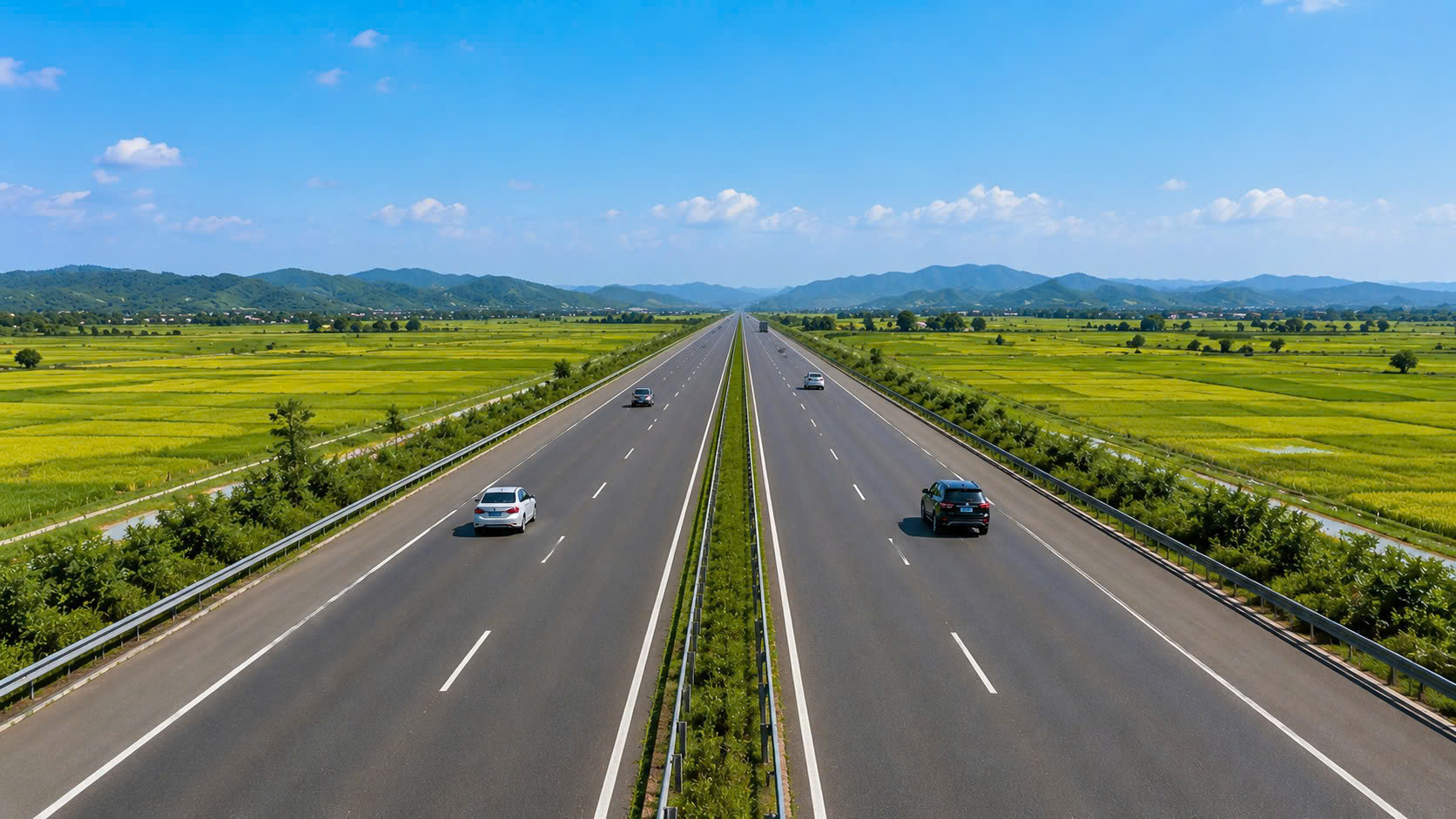
Both the Bao Ha–Tan Phong Expressway and the section of the Moc Chau-Son La-Dien Bien Expressway passing through Son La Province are proposed to be developed with four lanes. (AI-generated illustration)
Nearly VND 51 Trillion Proposed for Expressway to Strengthen Connectivity Between Lao Cai, Lai Chau and Hanoi
On behalf of the Prime Minister, Minister of Construction Tran Hong Minh has recently signed a government proposal submitted to the National Assembly for approval of the investment policies for two major expressway projects: the Bao Ha - Tan Phong section of the Bao Ha–Lai Chau Expressway and the section of the Moc Chau-Son La-Dien Bien Expressway passing through Son La Province.
According to the proposal, the Bao Ha-Tan Phong Expressway will have a total length of approximately 119 km, passing through Lao Cai and Lai Chau provinces. The expressway is planned to have four lanes, with a design speed of 80–100 km/h.
The project's preliminary total investment is estimated at nearly VND 51 trillion, comprising approximately VND 49 trillion from the central government budget and more than VND 2 trillion from the Lai Chau provincial budget.
Land clearance and construction are expected to commence in 2027. The project is scheduled for substantial completion in 2030 and is expected to become operational in 2031.
To ensure the project's progress and investment efficiency, six groups of special mechanisms and policies have been proposed. These cover the authority to approve investment policies; compensation, support and resettlement; direct contractor appointment; adjustments to relevant plans; construction waste disposal sites; and additional central government budget allocations in the event of an increase in the total investment.
According to the project's assessment, the expressway will establish a high-speed transport corridor connecting the administrative center of Lai Chau Province and southern communes of Lao Cai Province with Hanoi and other localities in the region.
The project is expected to meet sustainable transportation needs, narrow development gaps between regions, strengthen national defense and security, and contribute to the gradual completion of the expressway infrastructure network in Viet Nam's northern midland and mountainous region.
Over VND 63 Trillion Proposed for Nearly 180 km of Expressway Through Son La
Regarding the Moc Chau-Son La-Dien Bien Expressway section passing through Son La Province, the proposal submitted to the National Assembly outlines a route of nearly 180 km, designed with four lanes and a design speed of 80 km/h.
The project's preliminary total investment is estimated at more than VND 63 trillion, entirely funded by the central government budget.
Subject to approval by the competent authorities, compensation, support and resettlement activities, along with construction, are expected to begin in 2027. The project is scheduled for substantial completion in 2030 and is expected to enter operation in 2031.
To ensure timely implementation and investment efficiency, six groups of special mechanisms and policies have been proposed for the project. These include the authority to approve investment policies; compensation, support and resettlement; direct contractor appointment; adjustments to relevant plans; construction waste disposal sites; and permission to retain 100% of land-use levy revenues.
In its report proposing that the National Assembly approve the project's investment policy, the Government emphasized that the Moc Chau-Son La-Dien Bien Expressway section through Son La Province will establish a strategic transport corridor connecting the administrative center of Son La Province with other localities in the region and Hanoi.
The expressway is also expected to strengthen international connectivity, meet growing transportation demands, maximize the effectiveness of infrastructure projects already completed or under implementation, and gradually complete the expressway network in the northern midland and mountainous region.
Furthermore, the project is expected to generate broader economic benefits, support socio-economic development and poverty reduction, and contribute to safeguarding national defense and security./.