Improved Transport Infrastructure Unlocks Development Potential in Muong Ang Commune
Recognizing transport infrastructure as a key driver of socio-economic development, Muong Ang Commune has devoted substantial resources over the years to improving its road network to fully tap local potential and advantages. The commune currently manages nearly 260 kilometers of inter-commune and inter-village roads, around 80% of which have been paved or concreted. The increasingly integrated transport system has facilitated the movement of goods, strengthened connectivity among production areas, enhanced investment attraction and created new opportunities for development across multiple sectors in the new era.
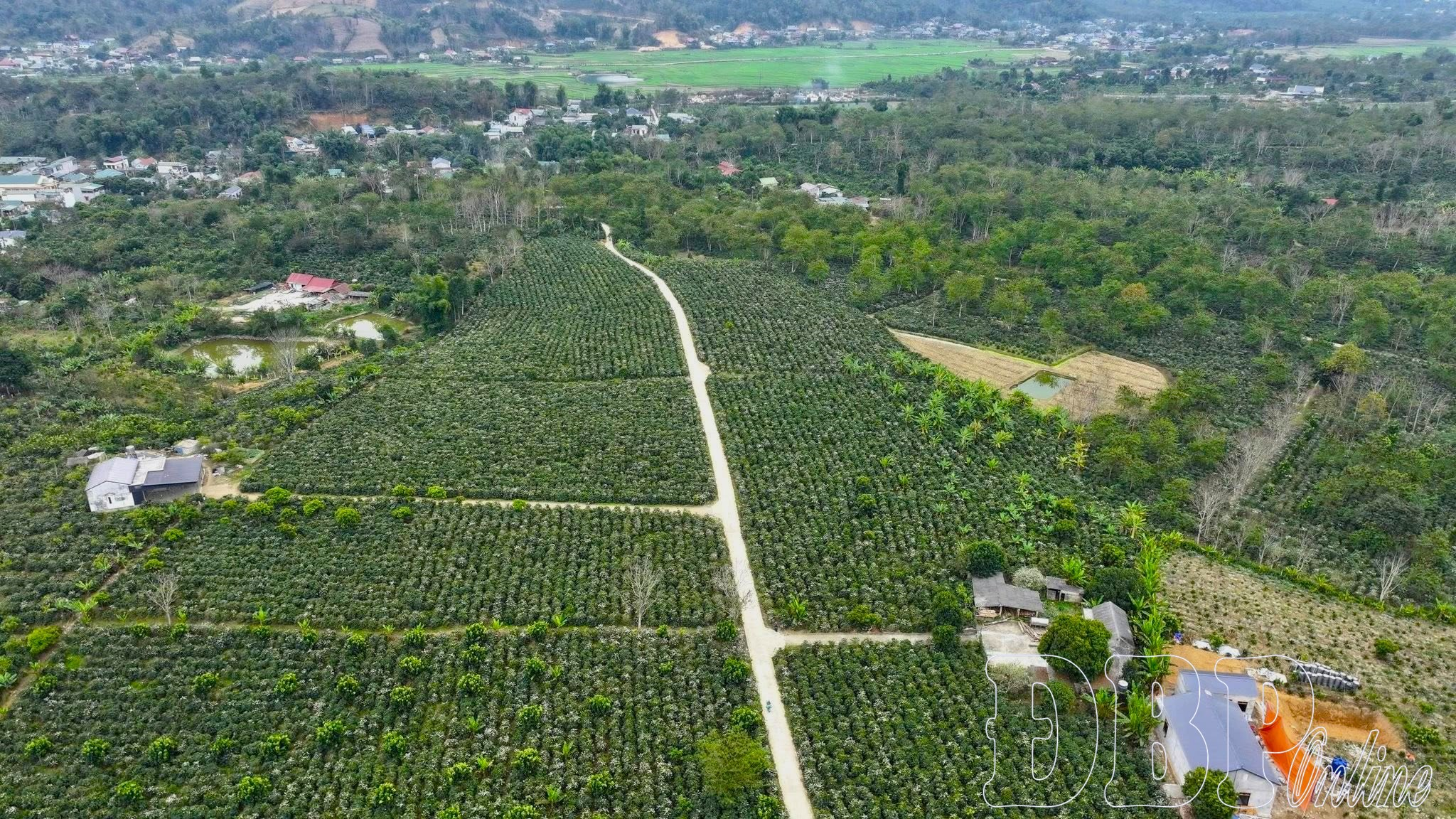
New Roads Reach Remote Production Areas
In mid-June, despite heavy rains sweeping across the hillsides, the road connecting Moi Village and Keo Village remained fully accessible, allowing vehicles to travel smoothly. The asphalt road winds through lush coffee-covered hills, replacing the rough dirt road that once made transportation and agricultural production particularly challenging during the rainy season.
For local residents, the new road has brought tangible benefits. Agricultural inputs can now be transported more conveniently, while harvested products are delivered to markets more quickly and efficiently. Mechanized vehicles are able to reach production areas directly, reducing transportation costs and shortening travel time. Freshly harvested coffee is transported to collection points faster, improving economic returns.
The family of Mr. Lo Van Hoa, whose coffee plantation lies at the highest point along the road through Moi Village, is among those benefiting most from the upgraded route. Having cultivated coffee for many years, he understands the importance of transport infrastructure for agricultural production.
"Two years ago, transportation was difficult, and bringing coffee to the commune center for sale was a real challenge. Thanks to the State's investment in the new road, vehicles can now reach our coffee farms directly," he said.
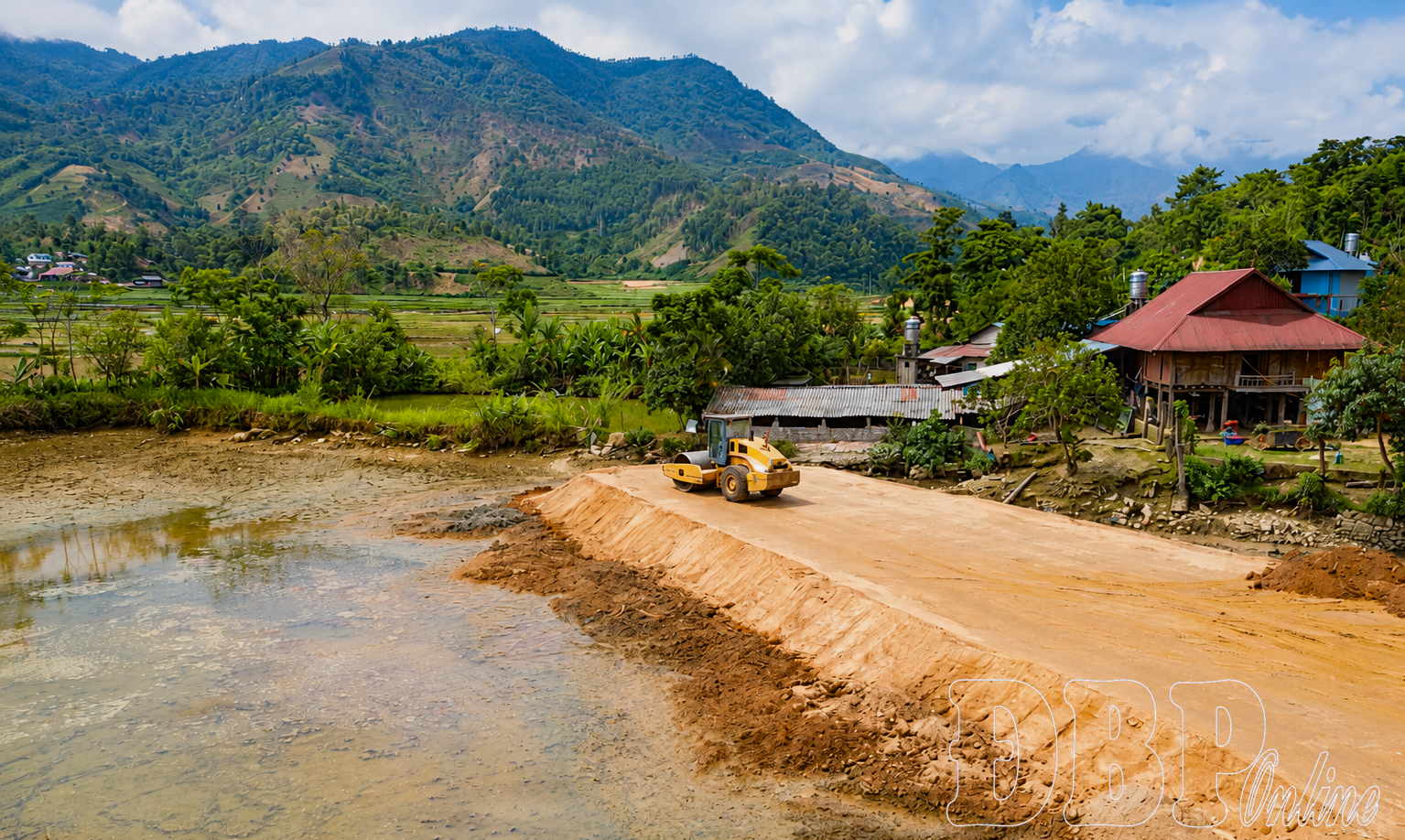
Community Consensus Accelerates Infrastructure Development
While the road linking Moi Village and Keo Village demonstrates the benefits of completed infrastructure, the Hon Sang-Hua Nam road project reflects the locality's determination to develop a synchronized transport system.
Stretching over six kilometers and passing through seven villages, the project connects major production areas. Construction crews, machinery and equipment have been mobilized to accelerate progress. After more than six months of construction, over 40% of the work volume has been completed.
One of the project's greatest advantages has been smooth site clearance, thanks to the exemplary role played by local officials and Party members, who took the lead in implementing the project and mobilizing local residents to support it.
This spirit of consensus has spread throughout the community. Households located along the route have proactively cooperated in asset inventories and land handover procedures.
"As a Party member and village head, I have to set an example. Once residents understood the significance of the project, everyone actively cooperated. Wherever the site has been handed over, contractors have immediately deployed manpower and machinery, and the road will soon be completed," said Lo Van Cuong, Head of Hon Sang Village.
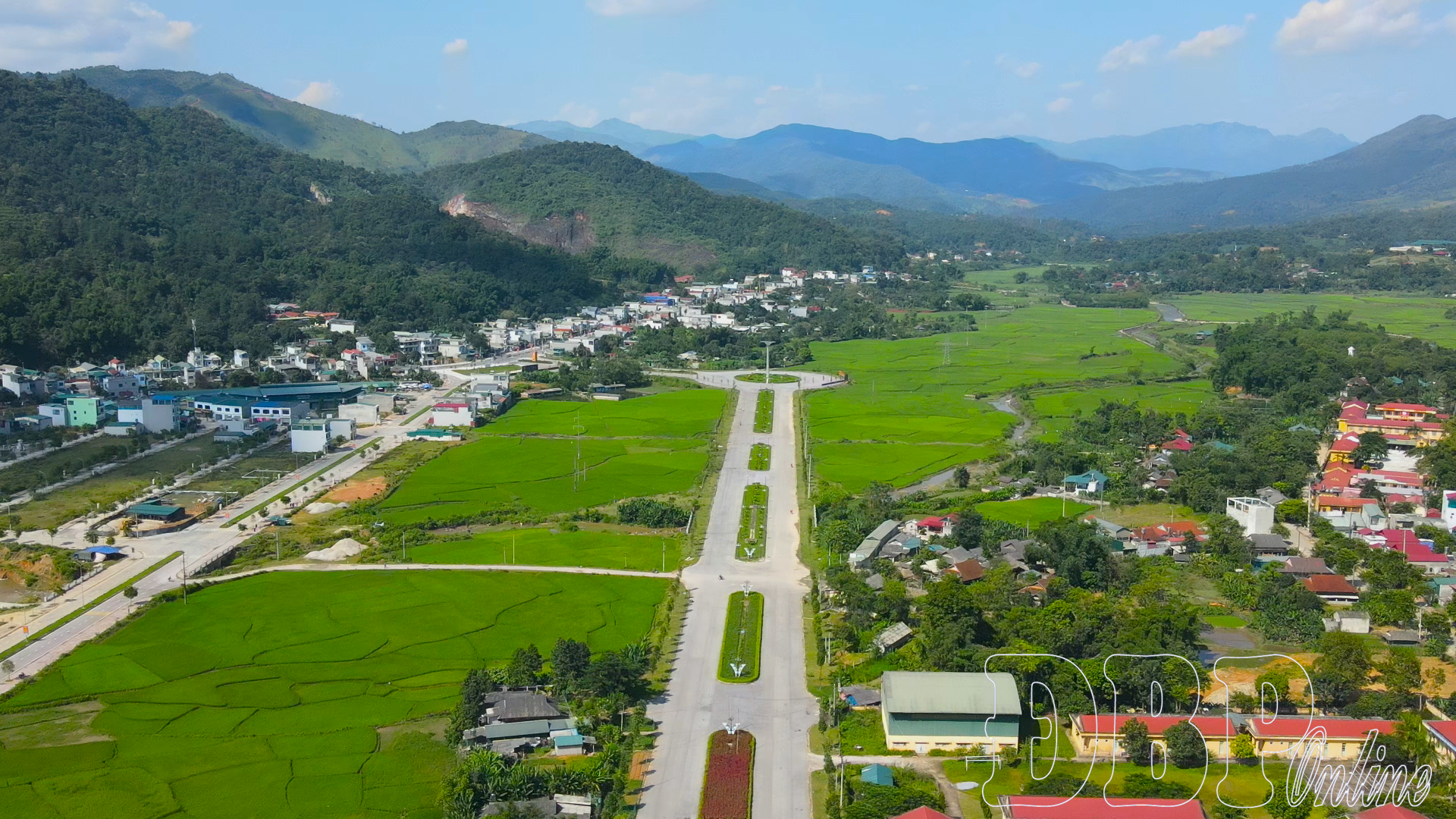
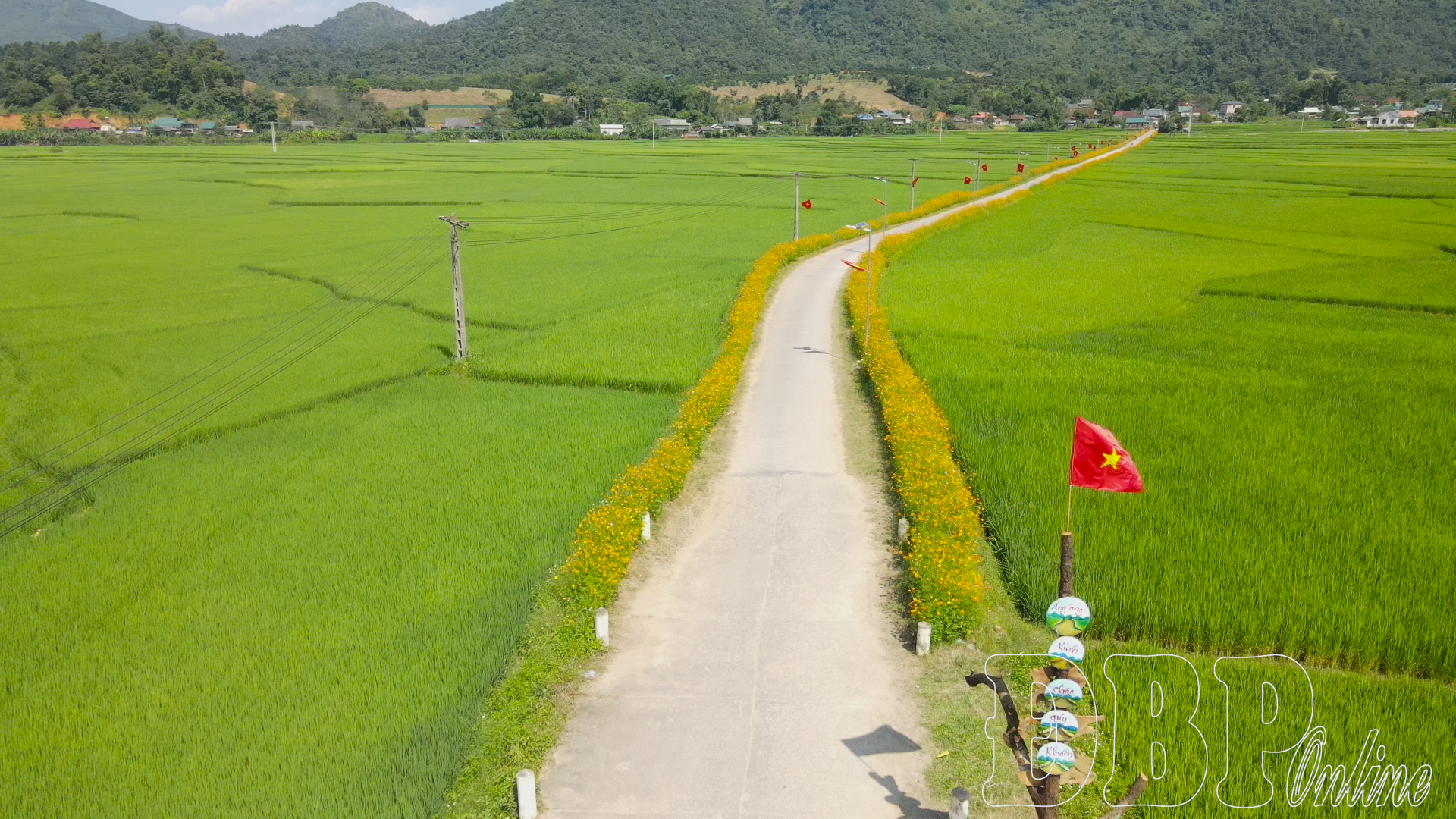
Muong Ang Commune currently maintains 1,813 hectares of coffee plantations and aims to plant an additional 150 hectares and rejuvenate 30 hectares by the end of 2026, bringing the total coffee-growing area to nearly 2,000 hectares. The commune is gradually developing concentrated coffee production zones associated with safe production standards and value chain linkages.
Alongside coffee, local authorities have continued to promote the efficient cultivation of 125 hectares of fruit trees and 9.68 hectares of macadamia trees. Efforts are also being made to develop OCOP products and strengthen the branding of distinctive agricultural products.
With these advantages, Muong Ang Commune considers transport infrastructure a crucial driver for increasing production value, expanding markets and attracting investment.
According to Vice Chairman of the Muong Ang Commune People's Committee Tran Minh Giap, the commune is responsible for managing nearly 260 kilometers of roads, with approximately 80% already upgraded.
"In the coming period, the commune will focus on improving transport routes connecting Muong Lan Commune, Pu Nhi Commune and remote villages. This will gradually complete a synchronized transport network and create favorable conditions for production and trade activities," he said.
New Development Opportunities from the Expressway Project
Improved transport infrastructure has opened up broader development prospects for Muong Ang Commune. Particularly noteworthy is the Son La-Dien Bien-Tay Trang International Border Gate Expressway Project, which officially broke ground in May. Muong Ang Commune will host the IC2 interchange, expected to play a significant role in strengthening regional connectivity.
Located along one of the province's strategic transport corridors, Muong Ang possesses considerable advantages. Once completed, the expressway will significantly reduce logistics costs and transportation time, enabling key products such as coffee, fruits and specialty agricultural products to access markets beyond the province more efficiently.
The project is also expected to attract enterprises to invest in deep processing industries and establish sustainable value chains in the locality.
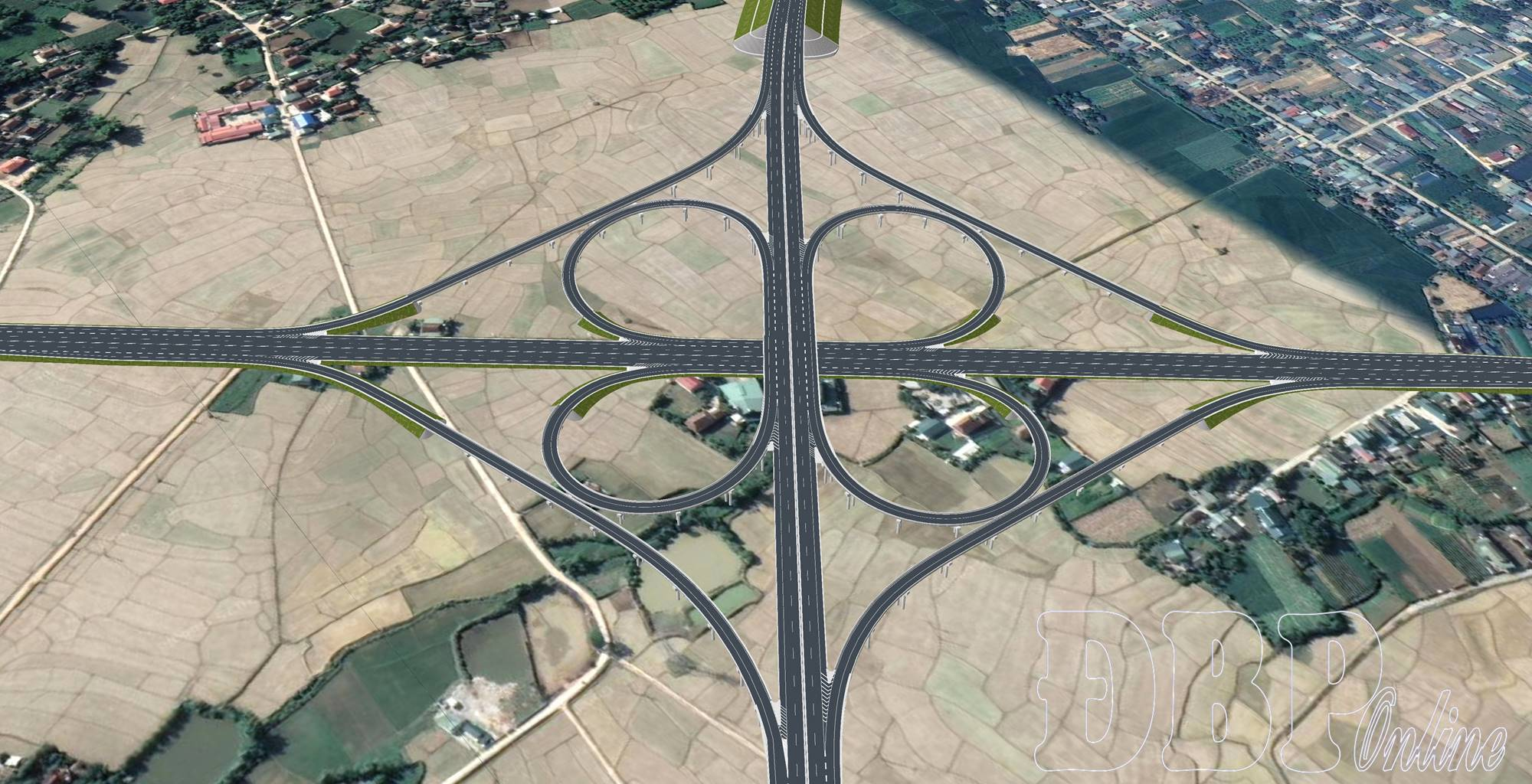
The inter-village and inter-commune roads in Muong Ang Commune, many of which have already been upgraded or are undergoing further expansion, are gradually narrowing the distance between production areas and markets, opening up new development opportunities for agriculture, trade, services and tourism.
At the foot of Tang Quai Pass, from the center of Muong Khoe Valley, new roads continue to extend further, laying a solid foundation for stronger regional connectivity, greater investment attraction and sustainable socio-economic development in the years ahead./.