Efforts to Attract Investment into Agriculture
With a large area of agricultural land, diverse climate conditions, and many specialty products, Dien Bien is considered to still possess significant room for the development of commodity agriculture. However, in the long term, the sector still lacks sufficiently strong “leading enterprises” capable of forming large-scale production linkages.
The province currently has more than 123,000 hectares of agricultural production land, while the total livestock herd has reached nearly 578,000 head. The irrigation system includes 14 reservoirs, 5 pumping stations, and nearly 1,744km of canals serving production activities. The province also has 422,000 hectares of land capable of conversion to high-value crop cultivation and concentrated livestock farming — considered one of the country’s leading land reserves for the development of commodity agriculture.
However, despite its considerable potential, the province’s agricultural sector has yet to develop commensurately. Most production remains small-scale and fragmented; the application of science and technology is uneven; infrastructure serving production remains limited; and deep-processing industries have not developed strongly. In particular, the lack of enterprises playing a “leading” role in production linkages has prevented many agricultural products from achieving high added value.
From this reality, attracting investment into agriculture has been identified by Dien Bien Province as an important task to create transformation in the agricultural economic structure and enhance production value.
For the 2025–2030 term, the Provincial Party Executive Committee issued Resolution No. 11-NQ/TU on restructuring the agricultural sector toward concentrated, green, smart, and sustainable commodity production for the 2026–2030 period, with orientation toward 2035, along with specialized resolutions supporting the implementation of the goals of Resolution No. 11. Accordingly, the province has focused on implementing many solutions to improve the investment environment and create favorable conditions for enterprises to access development opportunities in agriculture. Administrative procedure reform has been promoted, investment promotion effectiveness enhanced, while numerous mechanisms and policies have been issued to support enterprises investing in agricultural production, raw material area development, and agricultural product processing. Departments, sectors, and localities have strengthened coordination with enterprises during investment surveys and studies, proactively resolving difficulties related to land, site clearance, legal procedures, and infrastructure construction serving production.
According to Le Xuan Canh, Director of the Department of Agriculture and Environment, the sector is coordinating with localities to review land reserves, plan raw material areas, accelerate administrative reform, support enterprises in accessing mechanisms and policies, and resolve difficulties directly at the grassroots level. Priority is given to attracting projects applying high technology, deep processing, and value-chain development, thereby contributing to raising incomes for local people and promoting sustainable agricultural development.
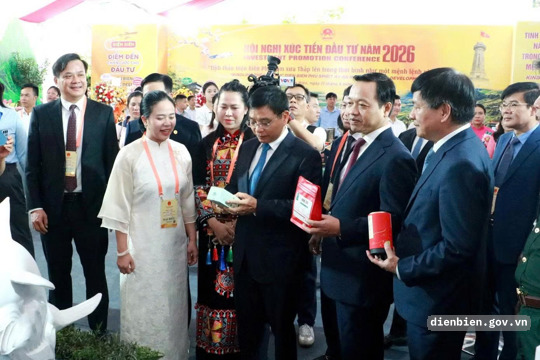
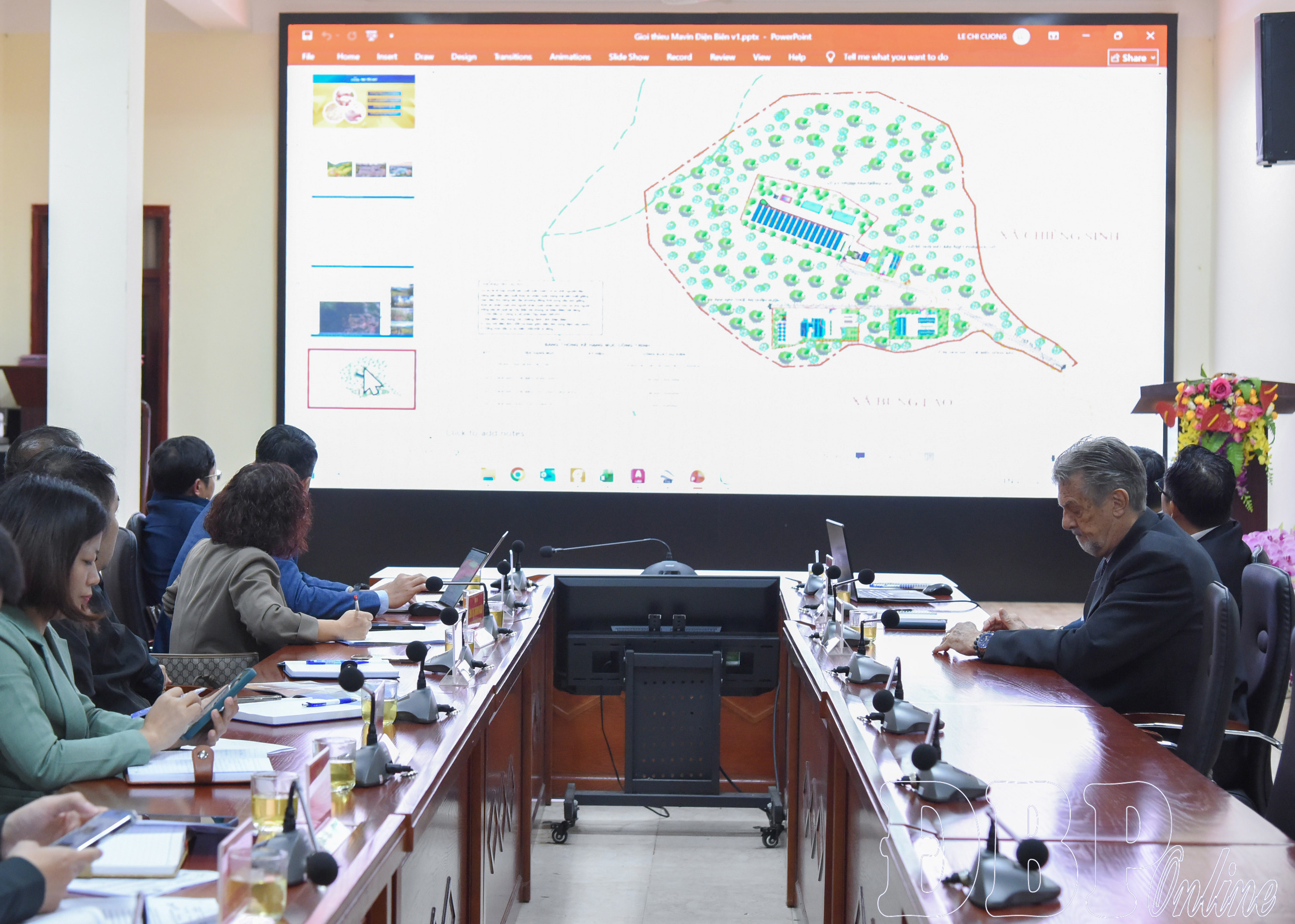
Promoting investment attraction efforts, since the beginning of the year many corporations and enterprises such as TH, Him Lam, Detech, and Cat Que have surveyed locations, selected sites, and carried out investment procedures to build 10 agricultural product processing factories in the province, including macadamia processing plants, specialty coffee processing plants, and green coffee preliminary processing facilities. The province has negotiated and signed large-scale product off-take linkages for key products. TH Group committed to purchasing products from 14,000 hectares of macadamia plantations; the Vietnam Macadamia Association committed to purchasing from 50,000 hectares of macadamia; Cat Que Company committed to purchasing from 50,000 hectares of coffee; and Dong Giao Export Food Joint Stock Company (Doveco) committed to purchasing products from 10,000 hectares of pineapples and 5,000 hectares of passion fruit, creating stable and long-term output markets for local people. To create room for attracting investment, the sector has coordinated with localities to review and identify 45 locations with thousands of hectares of land for developing processing plants, concentrated livestock farms, fertilizer production, and medicinal plant cultivation.
In the livestock sector, the province has attracted 7 enterprises to study and survey concentrated livestock farming projects covering a total area of more than 600 hectares, with a scale of approximately 1.19 million pigs per year - 3.6 times the province’s current pig herd. Many projects have been approved or completed surveys, opening prospects for the development of large-scale industrial livestock farming in the near future.
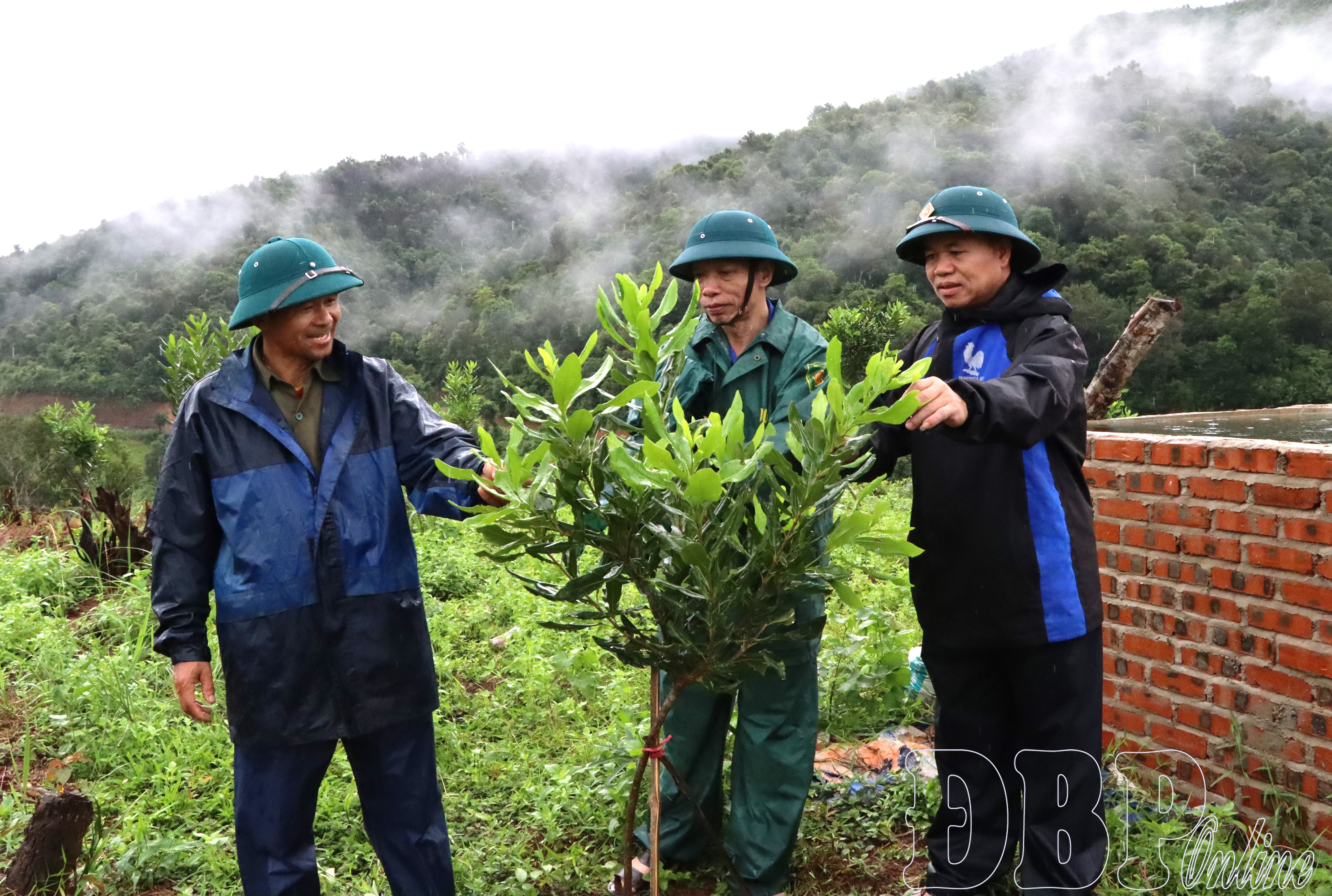
One direction receiving special attention from the province is the development of concentrated raw material areas associated with attracting enterprises to invest in deep processing. Among them, macadamia cultivation is considered one of the most promising sectors. The province has issued numerous policies and plans to expand macadamia planting areas, attract enterprises to participate in production linkages, build processing factories, and develop product value chains.
Since 2023, TH Group has been implementing a project to develop a macadamia raw material area of more than 18,000 hectares in Dien Bien, including approximately 4,000 hectares of core area and 14,000 hectares linked with local people, concentrated in Tuan Giao, Chieng Sinh, Quai To, Pu Nhung, and Muong Mun communes. Earlier this January, the Group continued to propose investment in a macadamia processing plant of approximately 5 hectares in Tuan Giao Commune, aimed at deep processing, enhancing product value, and building sustainable markets for the raw material area. The province is currently directing departments, sectors, and localities to coordinate support for completing procedures, site clearance, and infrastructure investment, creating favorable conditions for the project to be implemented on schedule.
Nua Ngam Commune is one of the localities receiving provincial attention in attracting investment into agriculture. Nguyen Thanh Trung, Chairman of the Commune People’s Committee, said: “Over recent times, the commune has proactively accompanied and created favorable conditions for enterprises and investors to conduct research, surveys, and seek investment cooperation opportunities. Up to now, the commune has actively coordinated in resolving difficulties and obstacles for two cassava starch processing plant projects, while also supporting the implementation of one additional cassava starch processing project in the locality. In the livestock sector, the Commune People’s Committee has agreed on locations and investment scopes for two high-tech livestock projects in Nam Huom Village and Cong Binh Village, opening a direction for large-scale, modern agricultural development in the locality.”
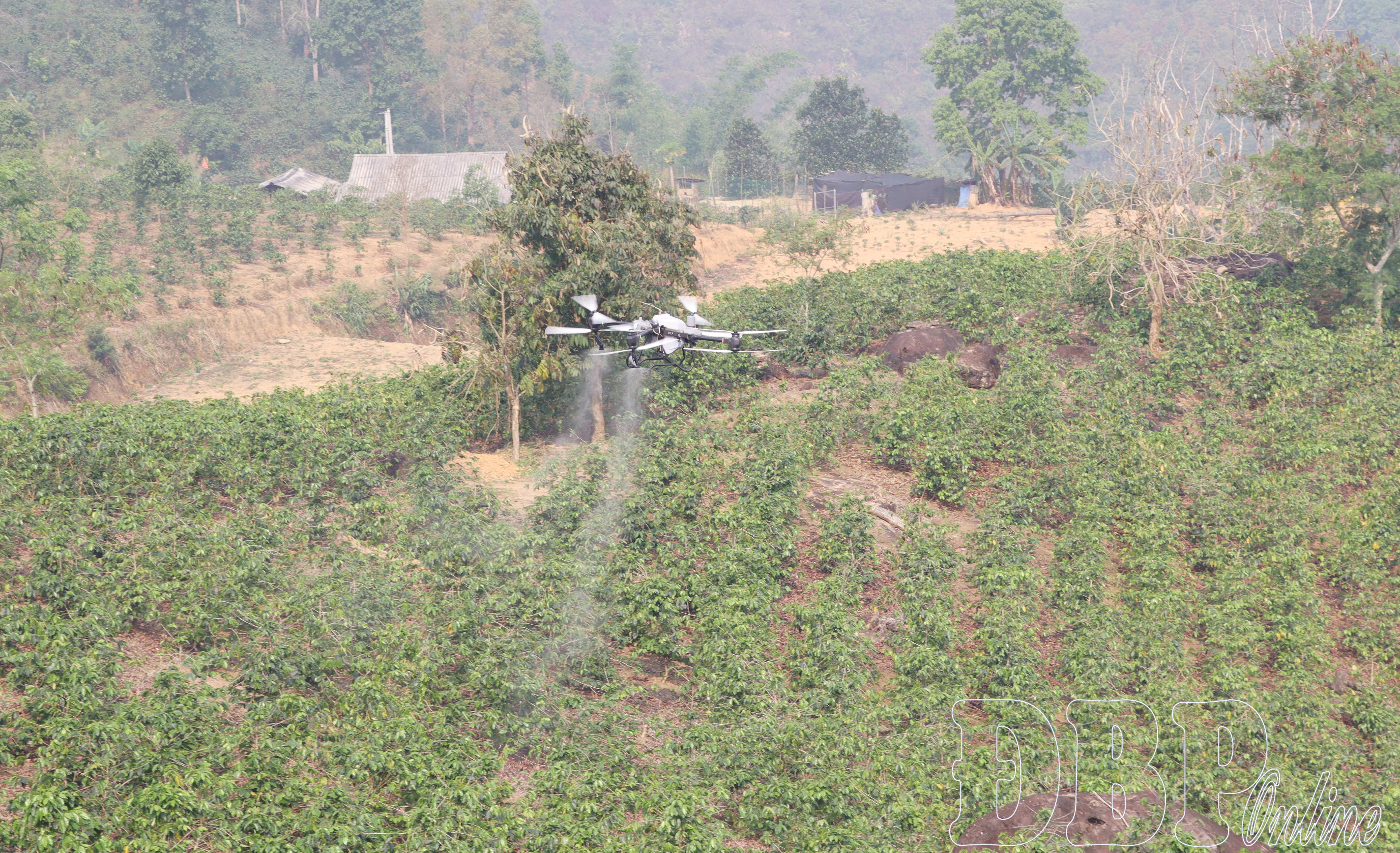
The goal of building a modern commodity agriculture sector with close linkages among enterprises, cooperatives, and local people is considered an important solution to improve production efficiency, ensure stable output markets for agricultural products, and increase incomes for rural residents. This is combined with developing infrastructure serving agricultural production, especially transport connectivity to raw material areas; investment in irrigation systems; and support for digital transformation in agricultural production and consumption.
With determination to improve the investment environment, accompany enterprises, and effectively promote existing potential, Dien Bien is gradually creating new attractiveness in the agricultural sector. As bottlenecks are gradually removed, agriculture will not only continue to serve as a pillar of the economy but may also become a breakthrough sector, making important contributions to the province’s goals of rapid and sustainable growth in the coming years./.