Dien Bien Signs JICA Relending Agreement to Implement Disaster-Resilient Rural Development Project
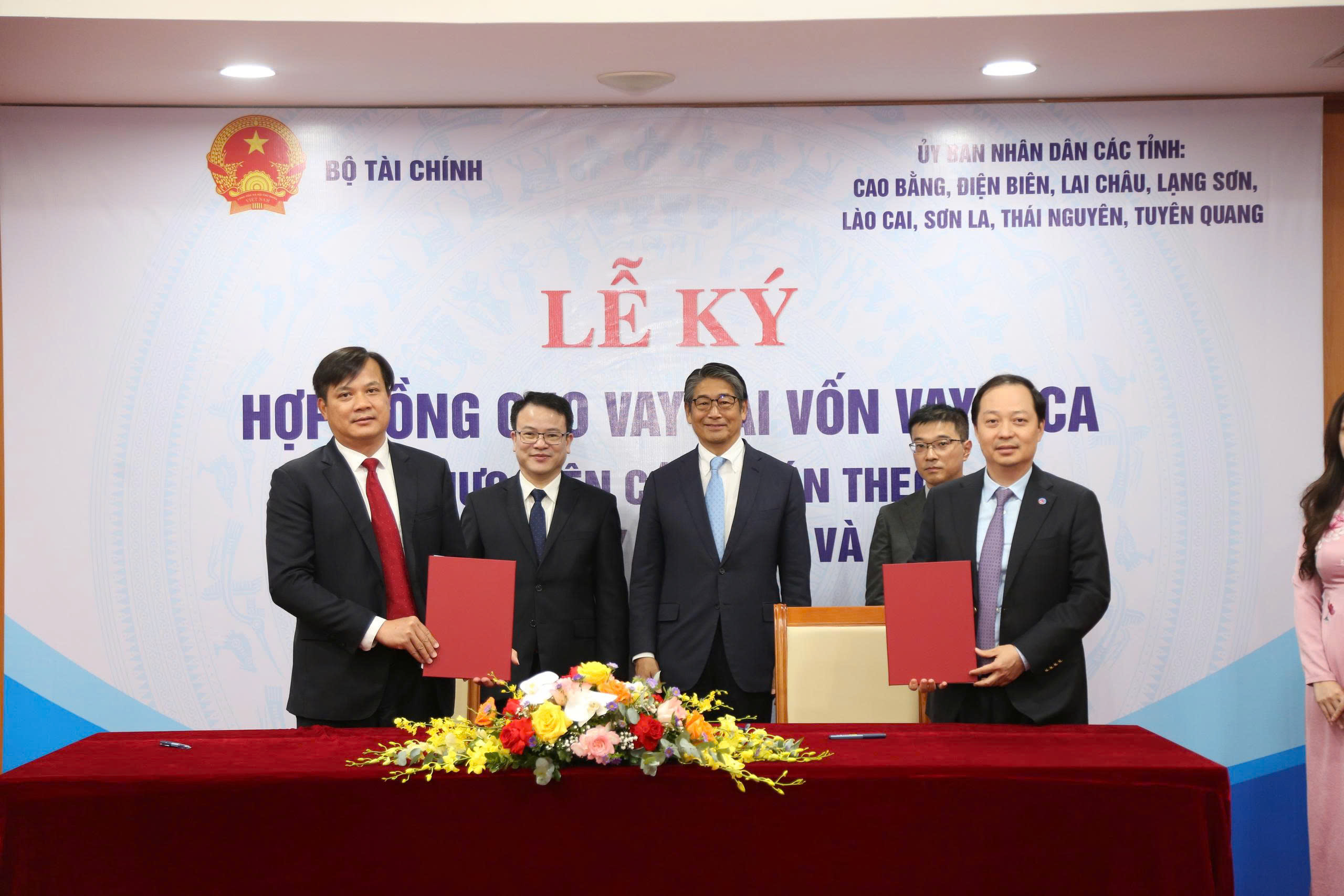
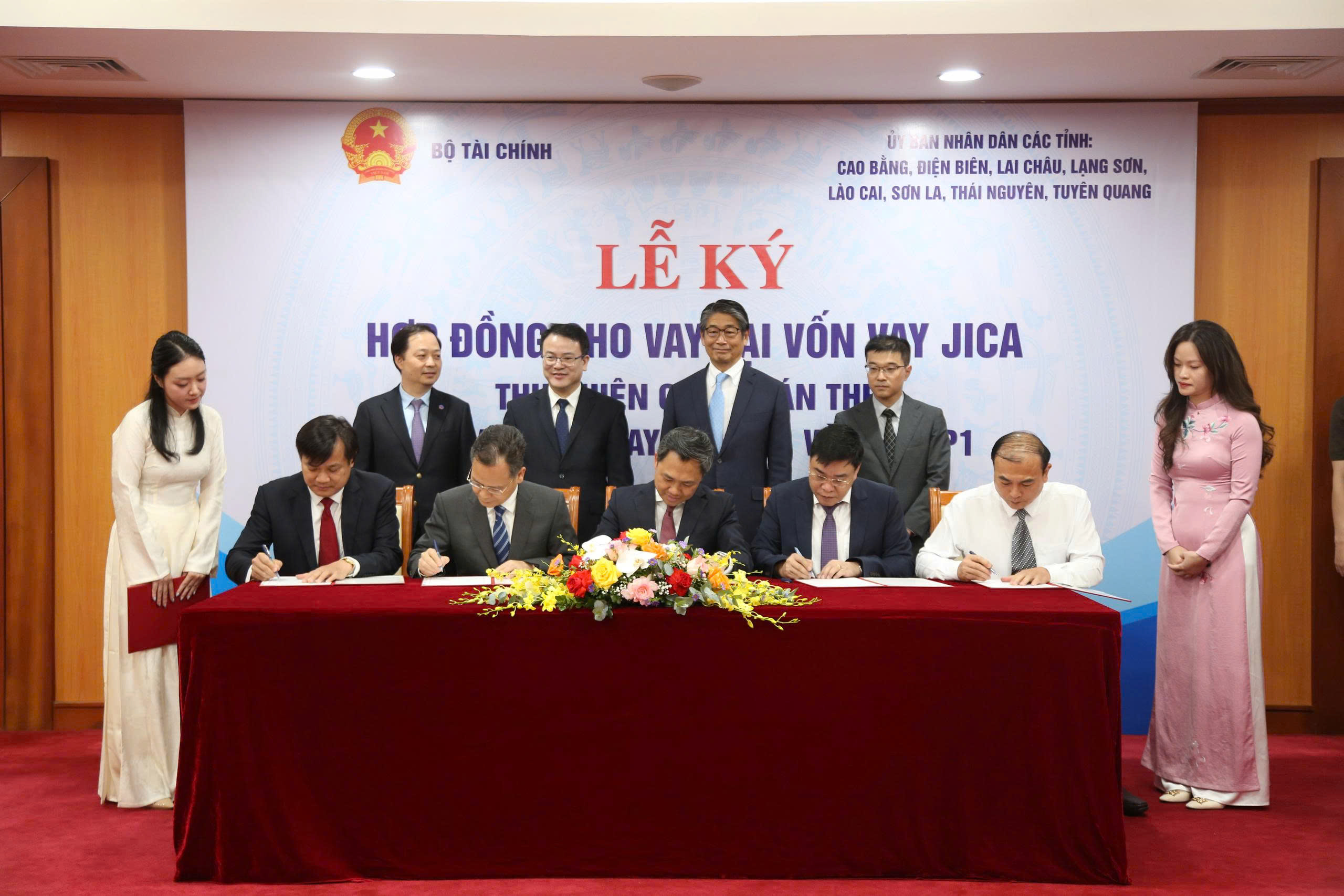
On the afternoon of June 12 in Hanoi, the Ministry of Finance, in coordination with the People's Committees of eight provinces, namely Cao Bang, Dien Bien, Lai Chau, Lang Son, Lao Cai, Son La, Thai Nguyen and Tuyen Quang, held a signing ceremony for relending agreements of foreign loans provided by the Government of Japan through the Japan International Cooperation Agency (JICA) under Loan Agreements VN24-P1 and VN25-P1. The agreements aim to implement the Disaster-Resilient Rural Development Project and the Climate Change-Adaptive Infrastructure Development Project to support ethnic minority communities in the northern mountainous and midland provinces. The ceremony was chaired by Deputy Minister of Finance Tran Quoc Phuong. Representing Dien Bien Province at the event was Comrade Lo Van Cuong, Member of the Provincial Party Standing Committee and Permanent Vice Chairman of the Provincial People's Committee.
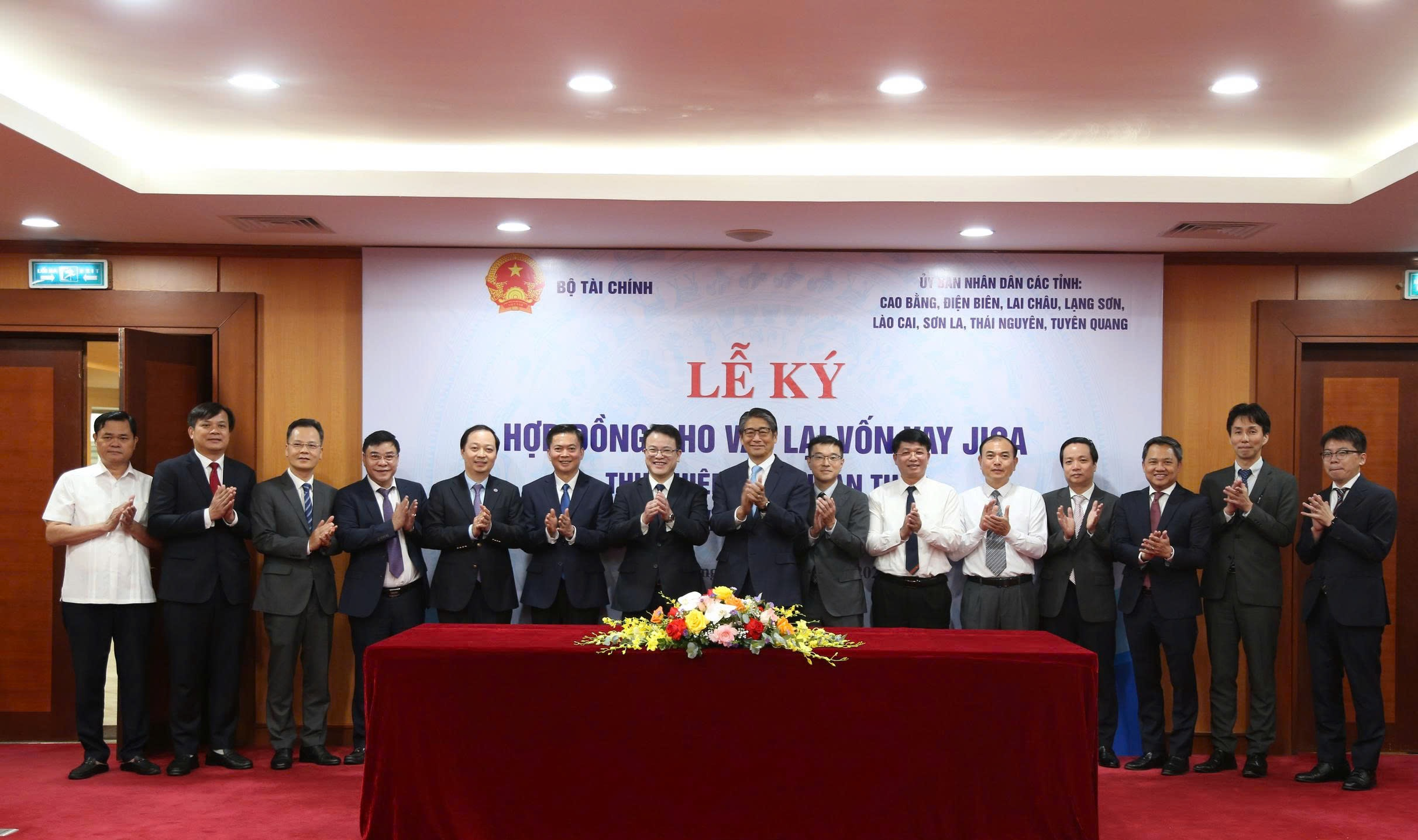
At the ceremony, witnessed by leaders of the Ministry of Finance, the Ambassador of Japan to Vietnam, representatives of JICA, and officials from central and local agencies, Permanent Vice Chairman of the Dien Bien Provincial People's Committee Lo Van Cuong signed the relending agreement financed by JICA for the implementation of the Disaster-Resilient Rural Development Project in the province.
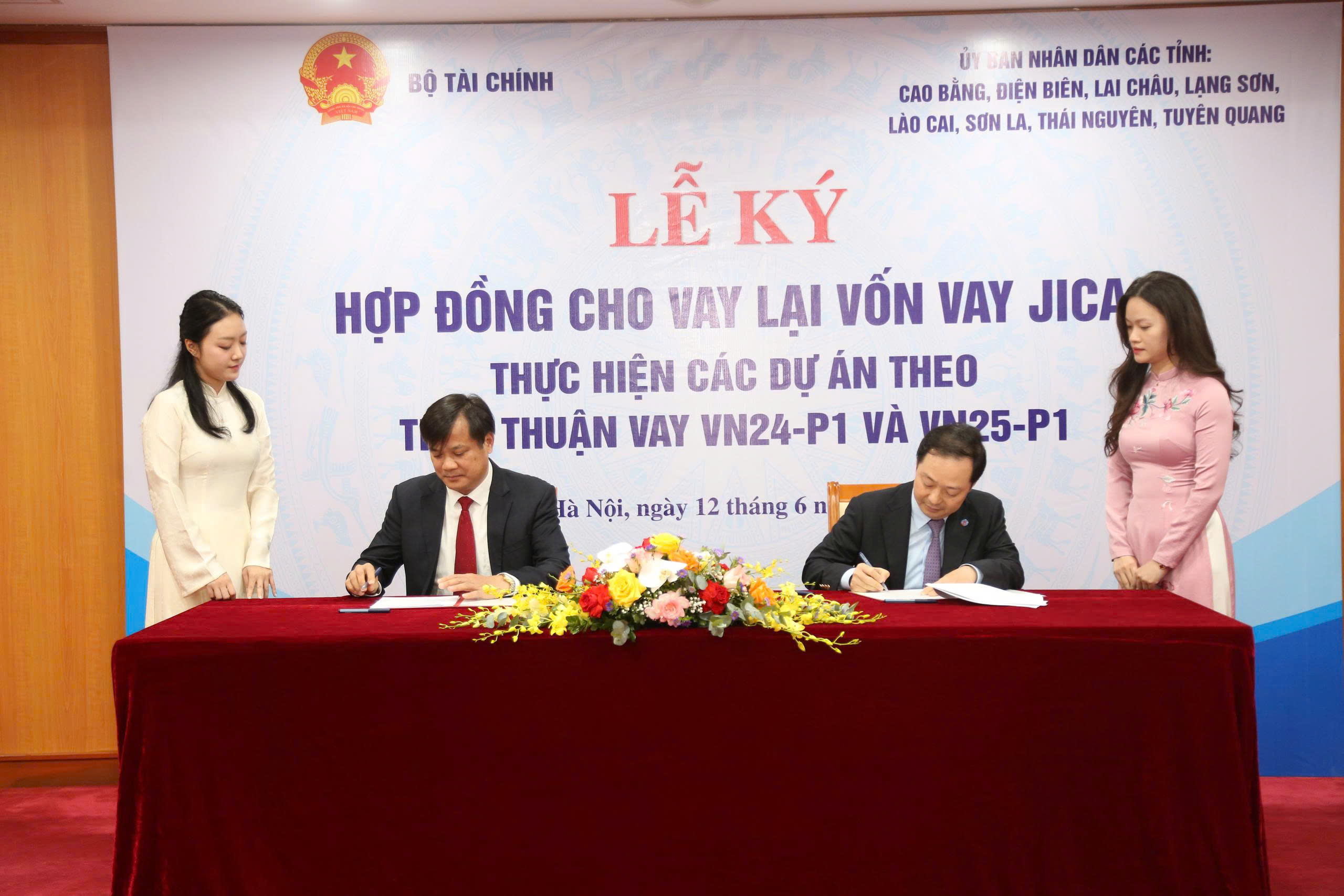
The Disaster-Resilient Rural Development Project in Dien Bien Province has a total investment of VND 1.48 trillion, equivalent to more than JPY 8.746 billion. Of the total amount, ODA loans account for VND 1.13928 trillion (equivalent to JPY 6.73314 billion), while counterpart funding amounts to VND 340.72 billion (equivalent to JPY 2.01366 billion).
The project is of great significance to Dien Bien Province in strengthening disaster preparedness and response capacity, improving rural infrastructure and ensuring sustainable livelihoods for local residents, particularly those living in remote and ethnic minority areas that are frequently affected by natural disasters and climate change.
With these resources, the province will prioritize a range of coordinated measures to accelerate disbursement, complete investment procedures, procurement processes and site clearance activities. Progress reviews will be conducted regularly to promptly address difficulties and bottlenecks. Greater responsibility will be required from project owners, while financial management, settlement and finalization procedures will be carried out in accordance with Vietnamese regulations and donor requirements.
Through the signing of the relending agreement, Dien Bien expects to effectively mobilize international resources to develop rural infrastructure, enhance resilience to natural disasters and climate change, contribute to sustainable poverty reduction, promote socio-economic development and improve people's living standards. The agreement also marks another milestone in further strengthening the sound cooperative relationship between Vietnam and Japan in general, and between Dien Bien Province and JICA in particular.
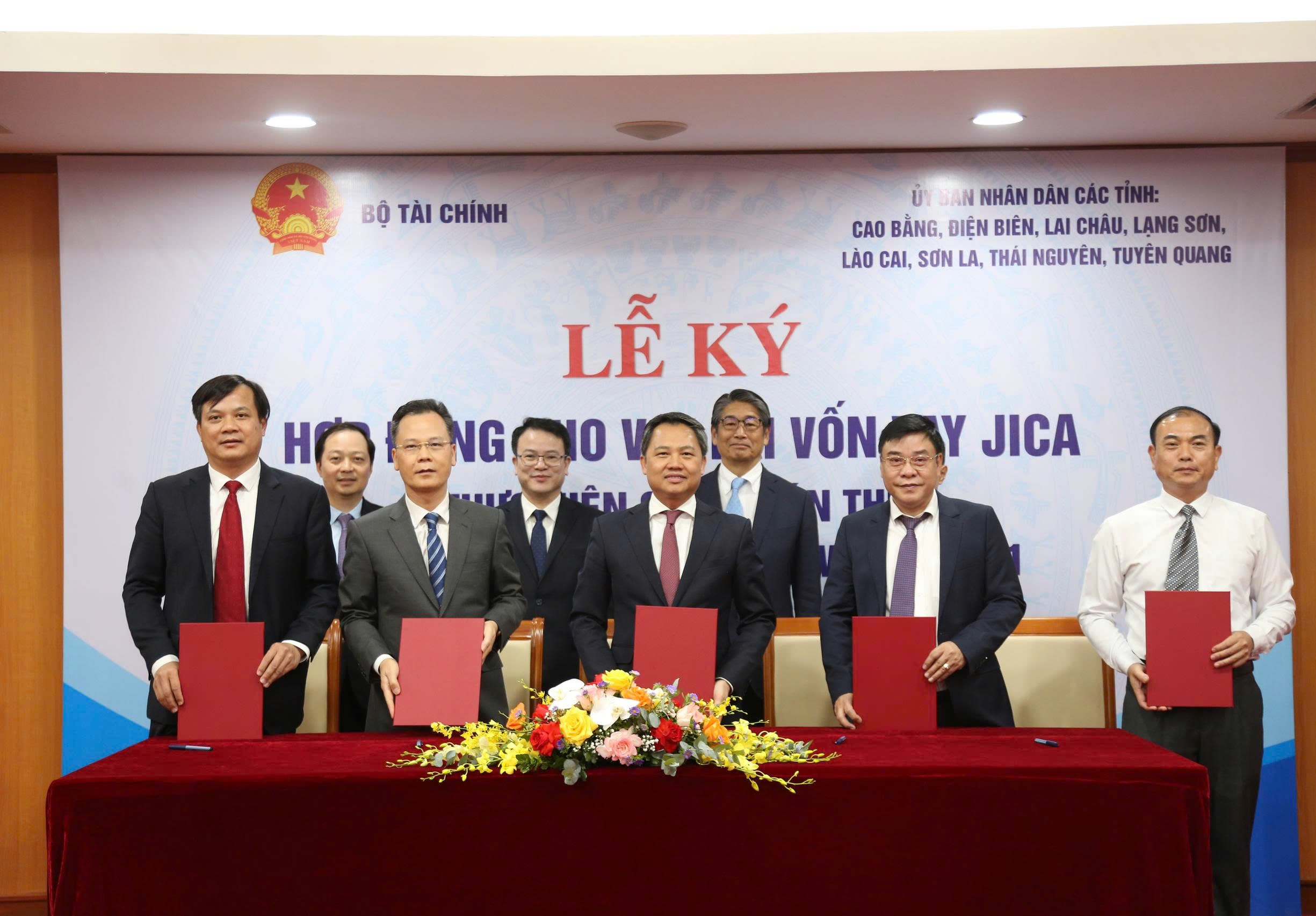
The signing of the relending agreements is a prerequisite for localities to implement projects under JICA Loan Agreements No. VN25-P1 and No. VN24-P1, signed on May 1, 2026, between the Government of the Socialist Republic of Vietnam, represented by the Ministry of Finance, and JICA, with a total value of JPY 39.256 billion.
These are the first relending agreements signed to implement foreign loan-funded projects under the first bilateral loan agreements concluded following the merger of local administrative units and the introduction of the two-tier local government model. The agreements are particularly significant as the country is conducting a one-year review of the operation of the political system and the two-tier local government structure.
In the context of implementing the two-tier local government model, the relending agreements continue to serve as an important legal framework, clearly defining the responsibilities of provincial People's Committees in effectively managing and utilizing borrowed funds and fulfilling debt repayment obligations to the central budget. They also contribute to enhancing local accountability and initiative while strengthening coordination between central and local authorities in managing and utilizing foreign loans, thereby helping safeguard public debt sustainability and national fiscal discipline./.