Dien Bien Promotes Low-Altitude Economy Development to Meet Practical Needs
On the morning of October 14, the Dien Bien Provincial People’s Committee held a workshop entitled “Low-Altitude Economy - A New Driver of Green, Smart and Sustainable Transformation” at the Provincial Conference and Cultural Center. The event aimed to assess the potential and initial pilot results of unmanned aerial vehicle (UAV) applications and identify development orientations for the low-altitude economy. Attendees included Comrade Nguyen Van Doat, Vice Chairman of the Dien Bien Provincial People’s Committee, and representatives of the Ministry of Science and Technology.
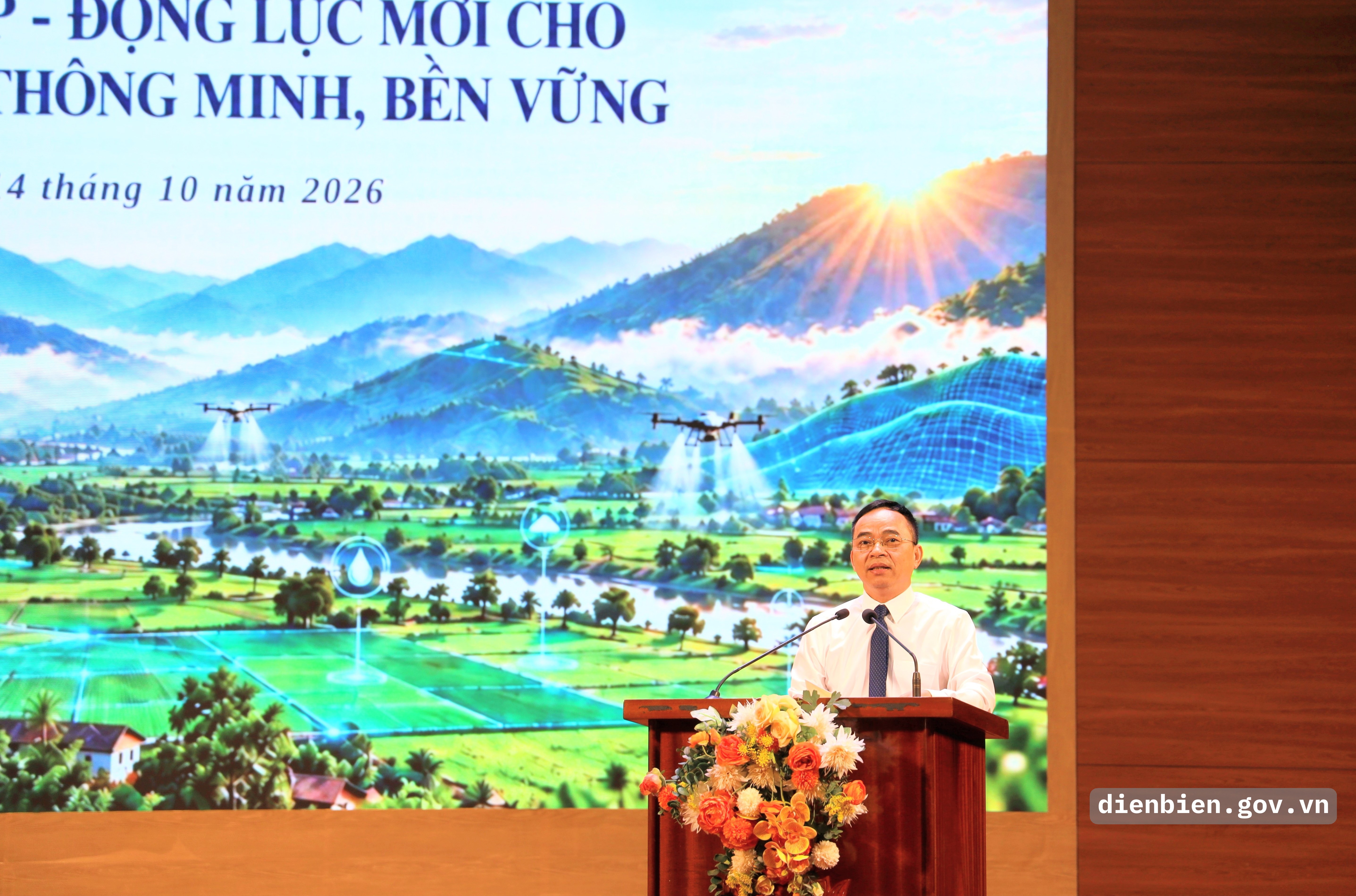
Vice Chairman of the Dien Bien Provincial People’s Committee Nguyen Van Doat delivers the opening remarks at the workshop.
In his opening remarks, Vice Chairman Nguyen Van Doat affirmed that Dien Bien is gradually translating policies on science and technology development, innovation and digital transformation into action through appropriate mechanisms and policies.
In particular, Resolution No. 17-NQ/TU, dated February 27, 2026, of the Provincial Party Executive Committee on breakthroughs in science and technology development, innovation and digital transformation for the 2026–2030 period, with orientations toward 2035, provides an important foundation for the province to pursue new development directions.
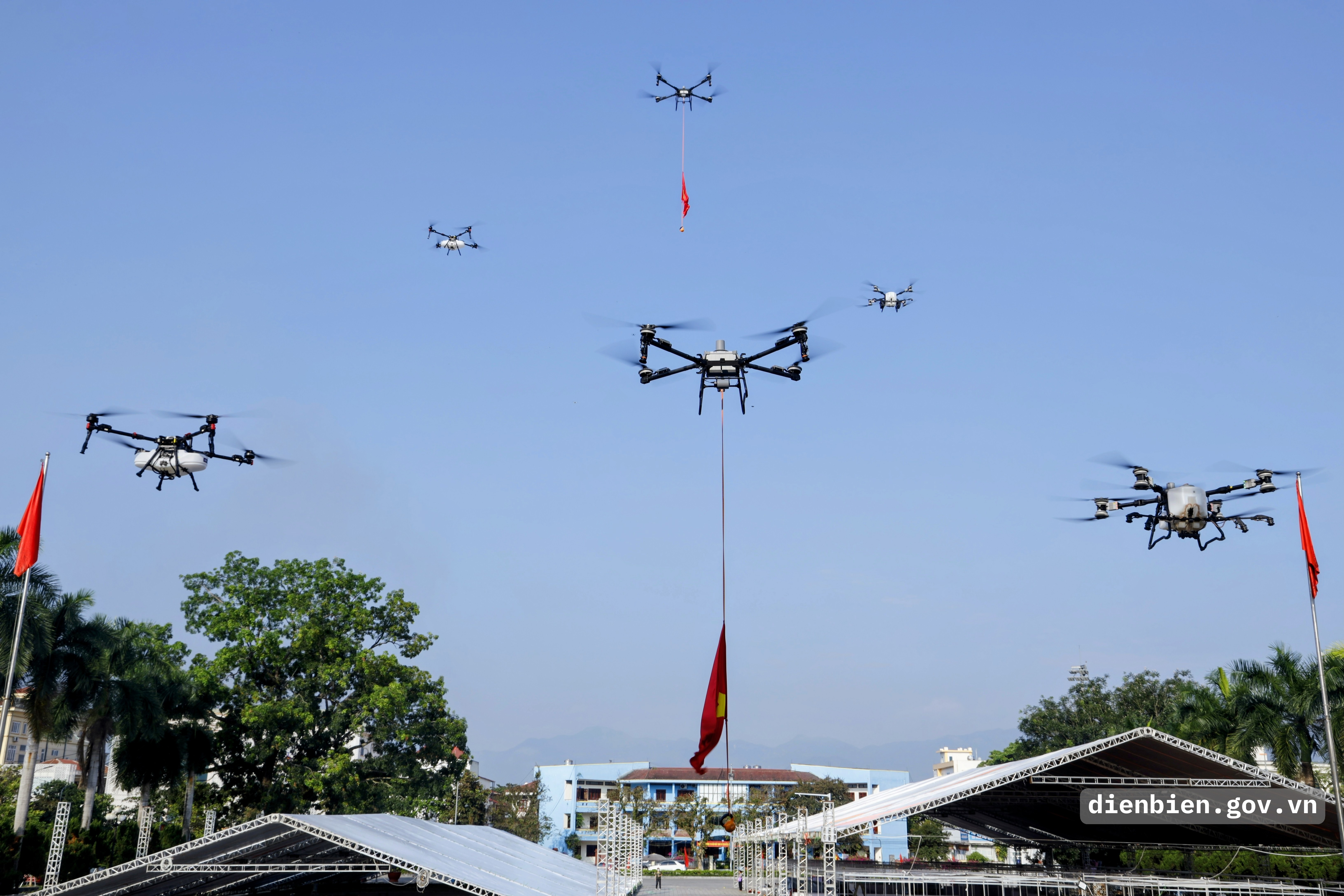
A UAV technology demonstration at May 7 Square.
According to Vice Chairman Nguyen Van Doat, the province has adopted a cautious yet determined approach: conducting controlled pilot programs, reviewing practical results and evaluating effectiveness before deciding whether to scale up applications.
Technology is truly meaningful only when it addresses specific challenges and delivers tangible, measurable results.
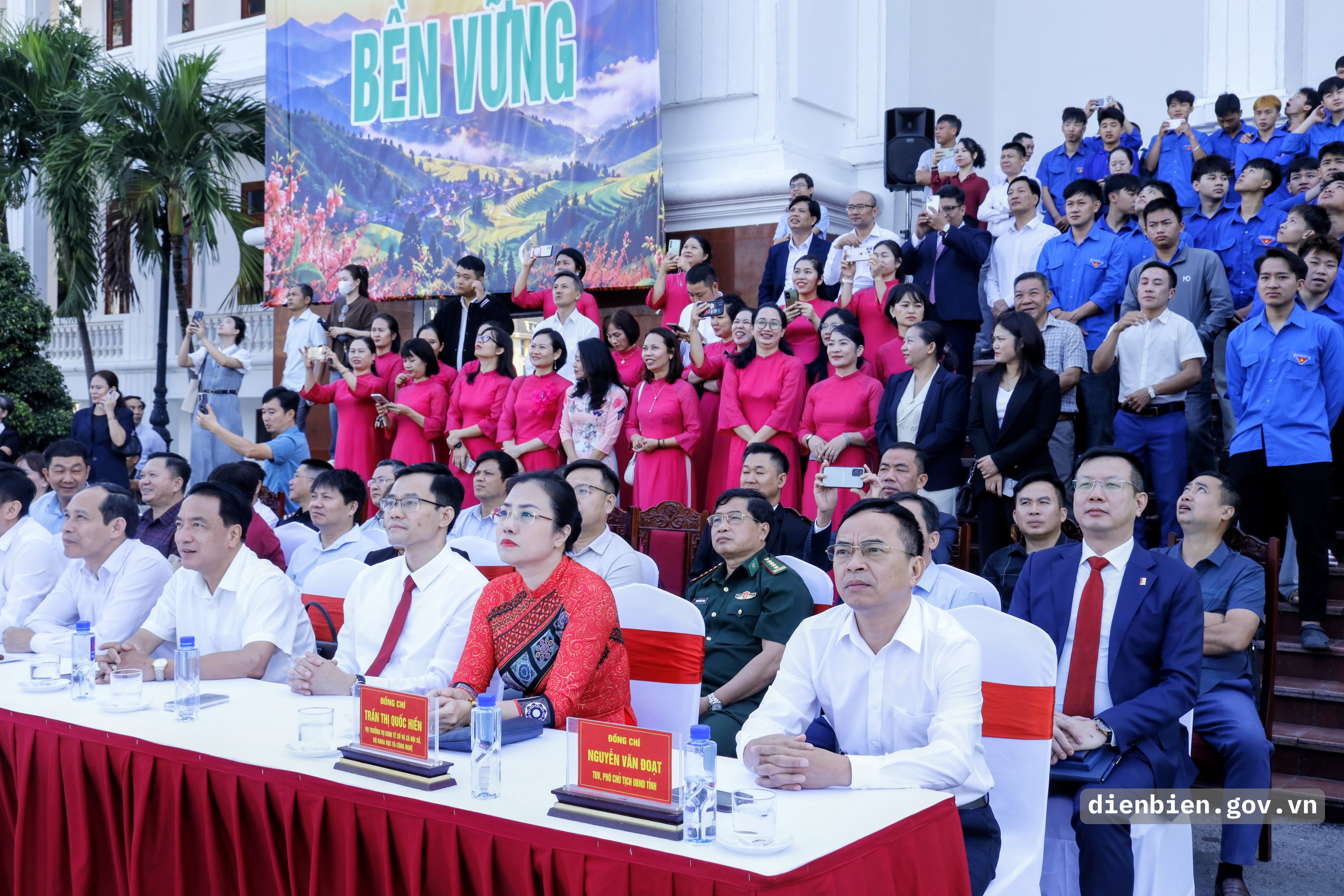
Delegates watch a live UAV technology demonstration at May 7 Square.
At the workshop, delegates discussed the current situation, potential, practical needs and development orientations for UAV-based low-altitude economic activities in the province. Research institutes, universities and technology enterprises shared their experiences and proposed solutions.
The discussions highlighted opportunities to apply UAV technology in natural resource management, production, infrastructure development and service delivery, while also addressing requirements for regulatory mechanisms, safety standards and skilled human resources.
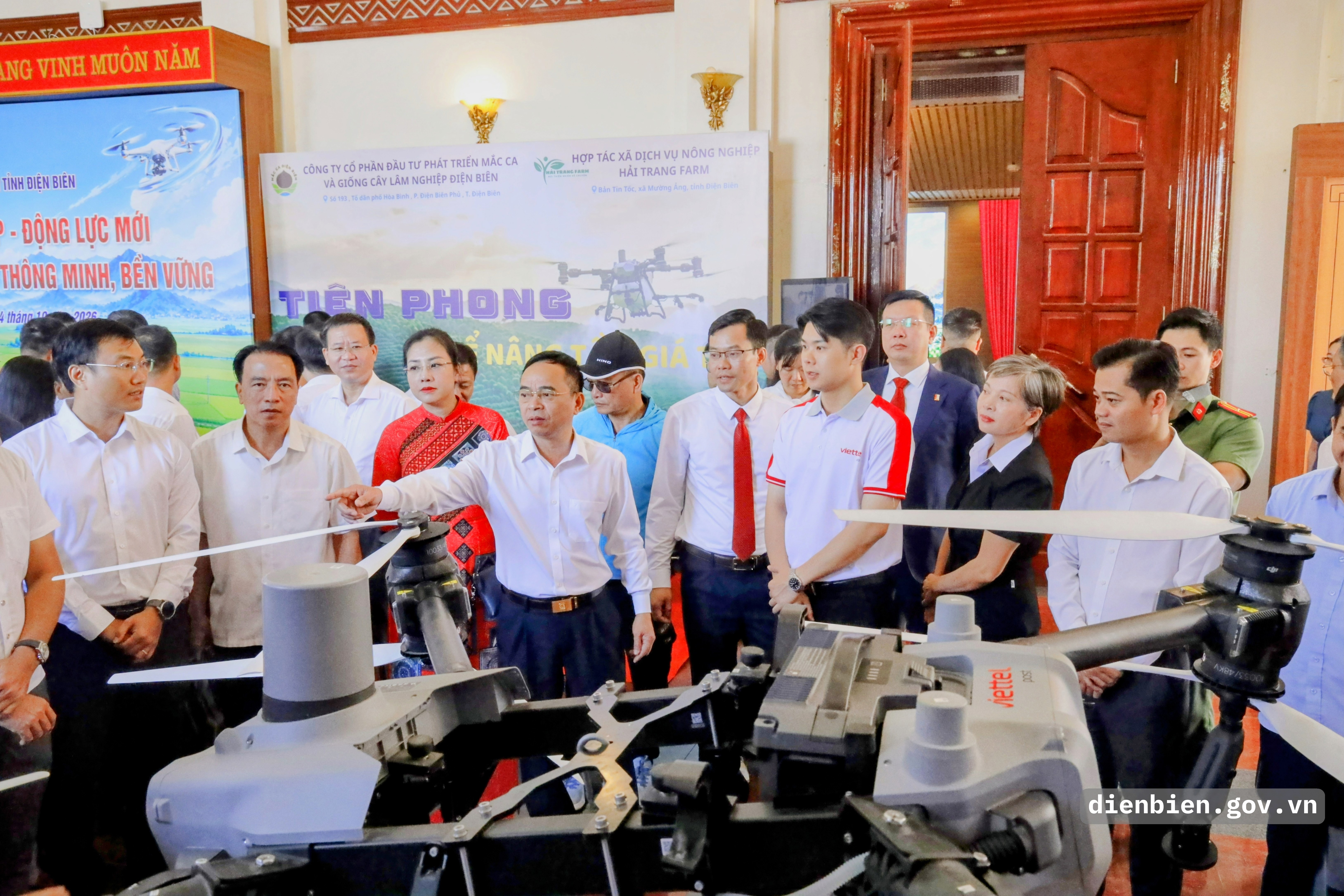
Delegates visit exhibition booths showcasing technological products and solutions.
As part of the workshop, the Dien Bien Department of Science and Technology and the Institute of Space and Underwater Technology Research under Hanoi University of Science and Technology signed a memorandum of understanding on research, pilot applications, technology transfer and the development of a low-altitude economy ecosystem in the province.
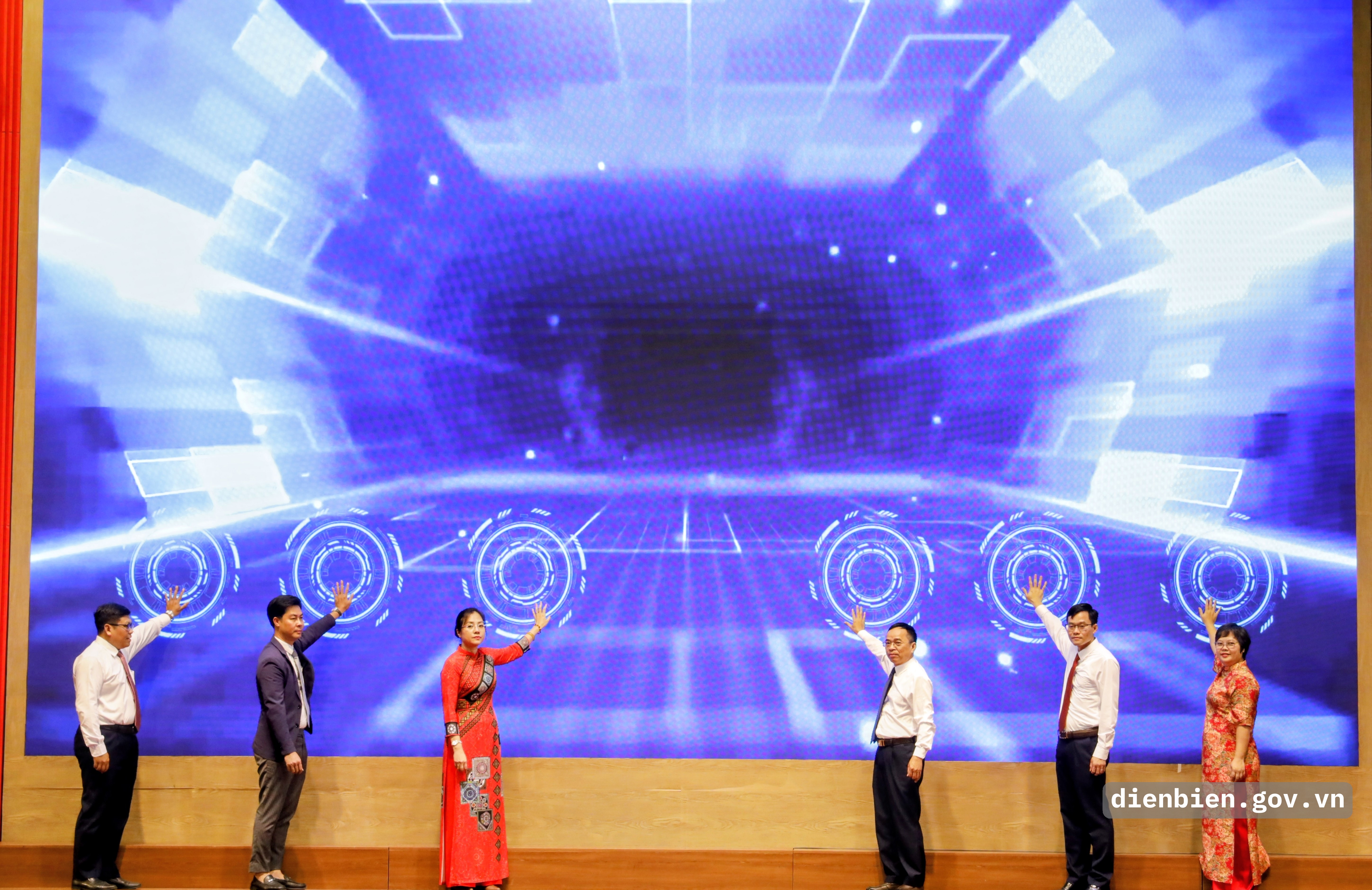
Vice Chairman of the Dien Bien Provincial People’s Committee Nguyen Van Doat and delegates press the button to launch the program.
Under the cooperation agreement, the two sides will jointly research, apply and transfer UAV technology, spatial technologies and low-altitude geospatial data solutions to support socio-economic development.
Areas of cooperation include natural resource monitoring, disaster early warning, topographic surveying, precision agriculture and specialized cargo transportation to remote and disadvantaged areas.
The two sides will also work together to establish a scientific basis for controlled regulatory testing mechanisms, study infrastructure requirements for flight operations and develop a shared digital geospatial database.
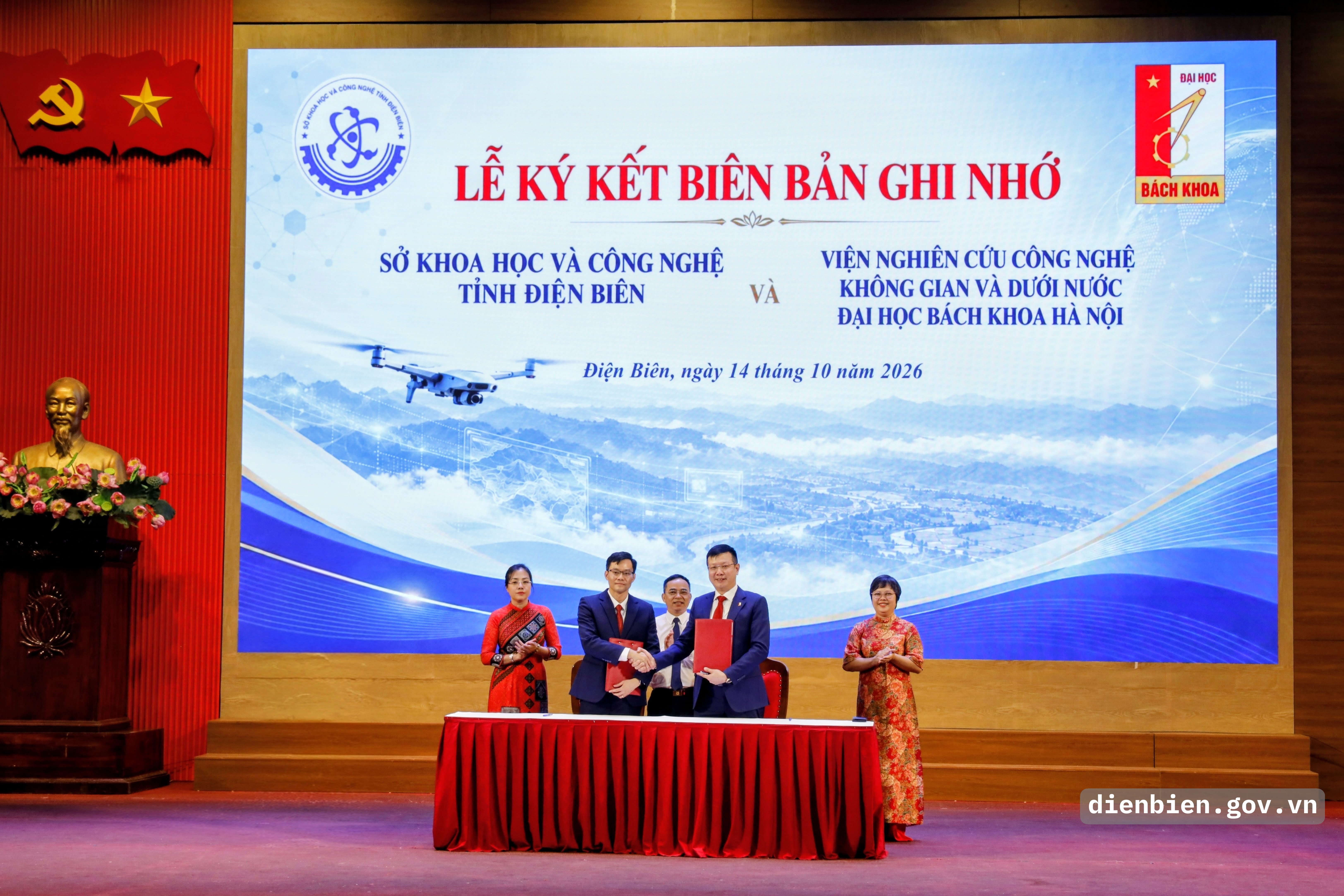
Vice Chairman of the Dien Bien Provincial People’s Committee Nguyen Van Doat and delegates witness the signing ceremony between the Department of Science and Technology and the Institute of Space and Underwater Technology Research under Hanoi University of Science and Technology.
Training and technical transfer in UAV operations, automated flight path programming, and the analysis and processing of geodetic and remote sensing data have also been identified as key areas of cooperation.
These activities are expected to strengthen the capacity of local officials, technicians and businesses to adopt, master and effectively utilize advanced technologies.
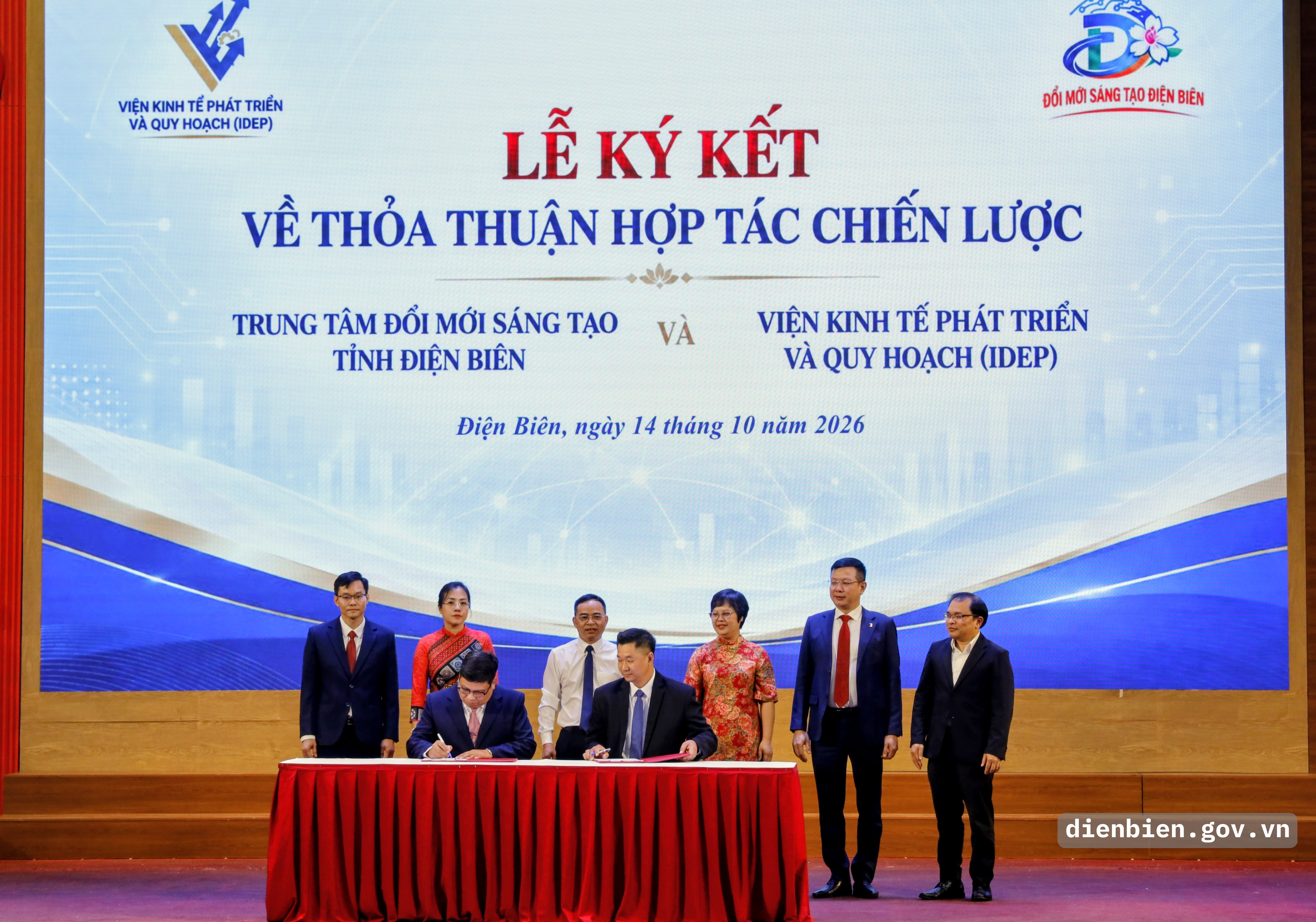
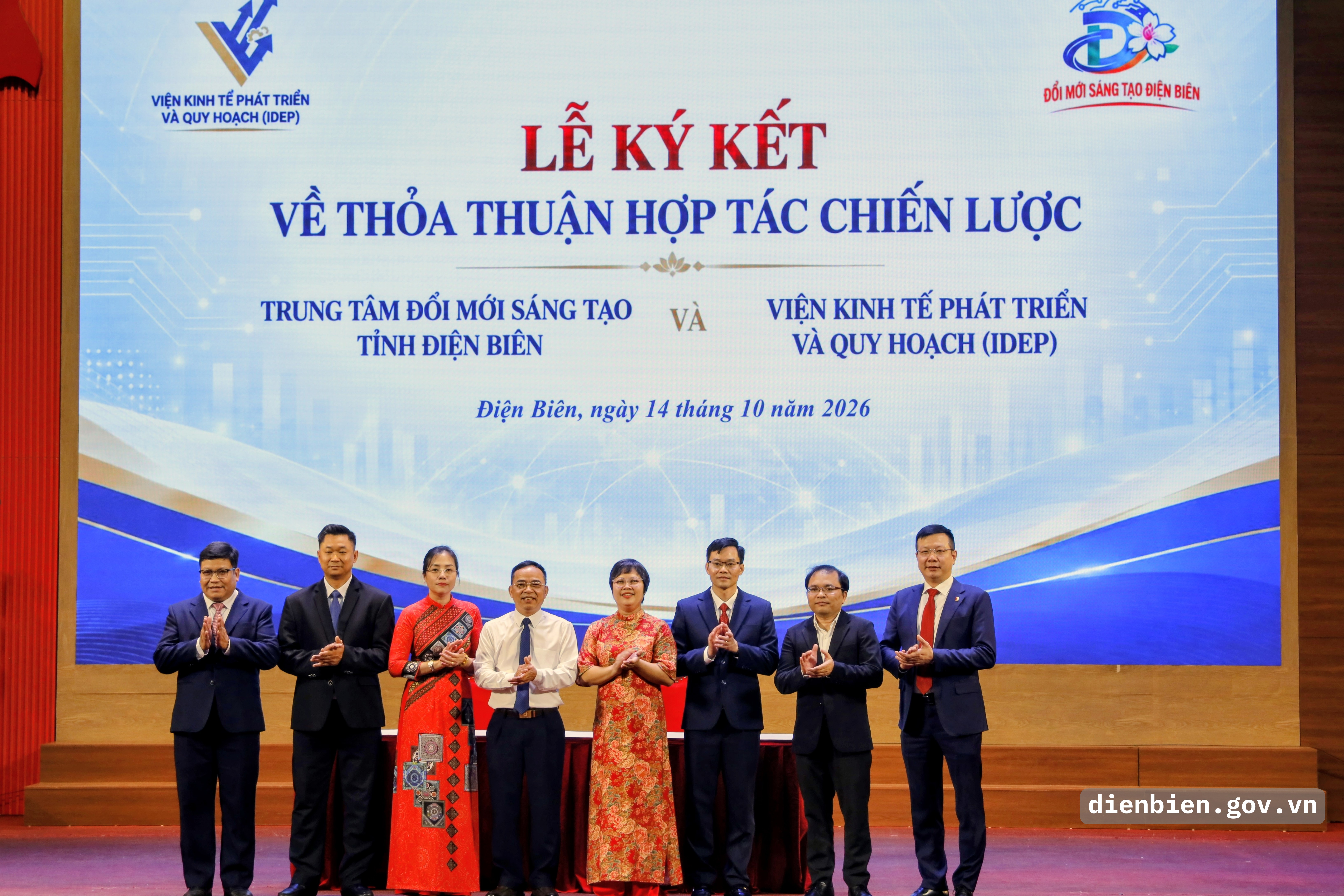
Delegates witness the strategic cooperation agreement between the Dien Bien Provincial Innovation Center and the Institute of Development Economics and Planning.
Alongside research cooperation and technology transfer, the workshop sought to promote an innovative startup ecosystem aligned with the province's development needs.
The Dien Bien Innovative Startup Incubation and Support Program 2026 is being implemented in coordination with the National Innovation Center, targeting young people, students, young scientists, small enterprises and cooperatives with technology-based ideas aimed at addressing practical challenges.
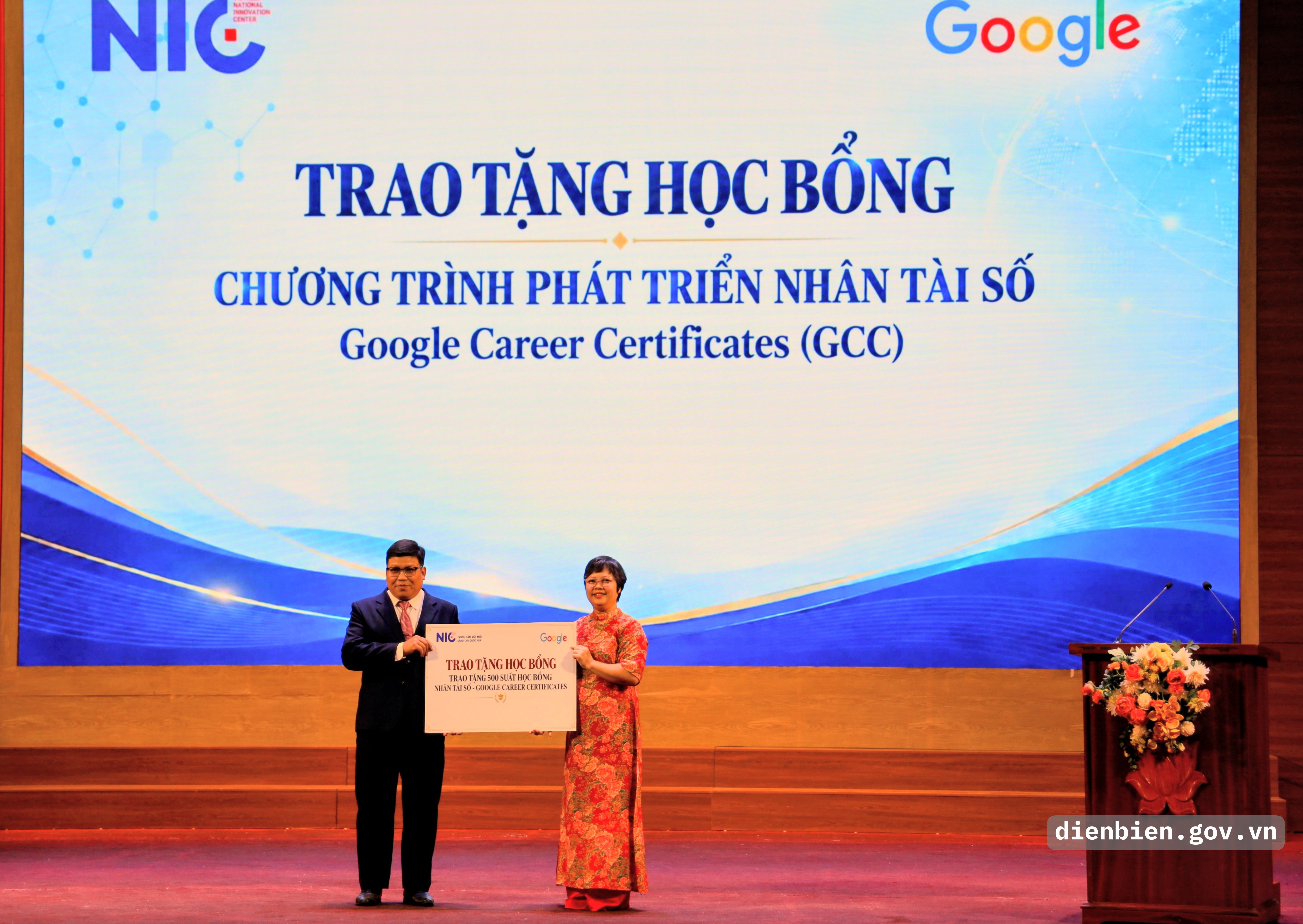
The Dien Bien Provincial Innovation Center receives a symbolic donation of 500 digital talent scholarships from the National Innovation Center.
Under the province's development orientation, the low-altitude economy should be closely linked to an ecosystem encompassing research, innovation, enterprises and human resources.
Promoting “Make in Dien Bien” technological products and solutions will not only expand opportunities for UAV applications but also enable organizations and individuals to participate in developing, refining and commercializing products tailored to real-world needs.
Delegates pose for a commemorative photograph to celebrate the workshop's success.
The province has also determined that low-altitude economy development must be driven by practical needs, with application effectiveness serving as the primary measure of success.
Priority areas include precision agriculture, forest resource management, disaster prevention and response, infrastructure surveying, logistics and smart tourism.
Implementation must ensure safety and security and comply with applicable laws, while gradually establishing a local ecosystem for research, pilot testing, technology transfer and workforce training.
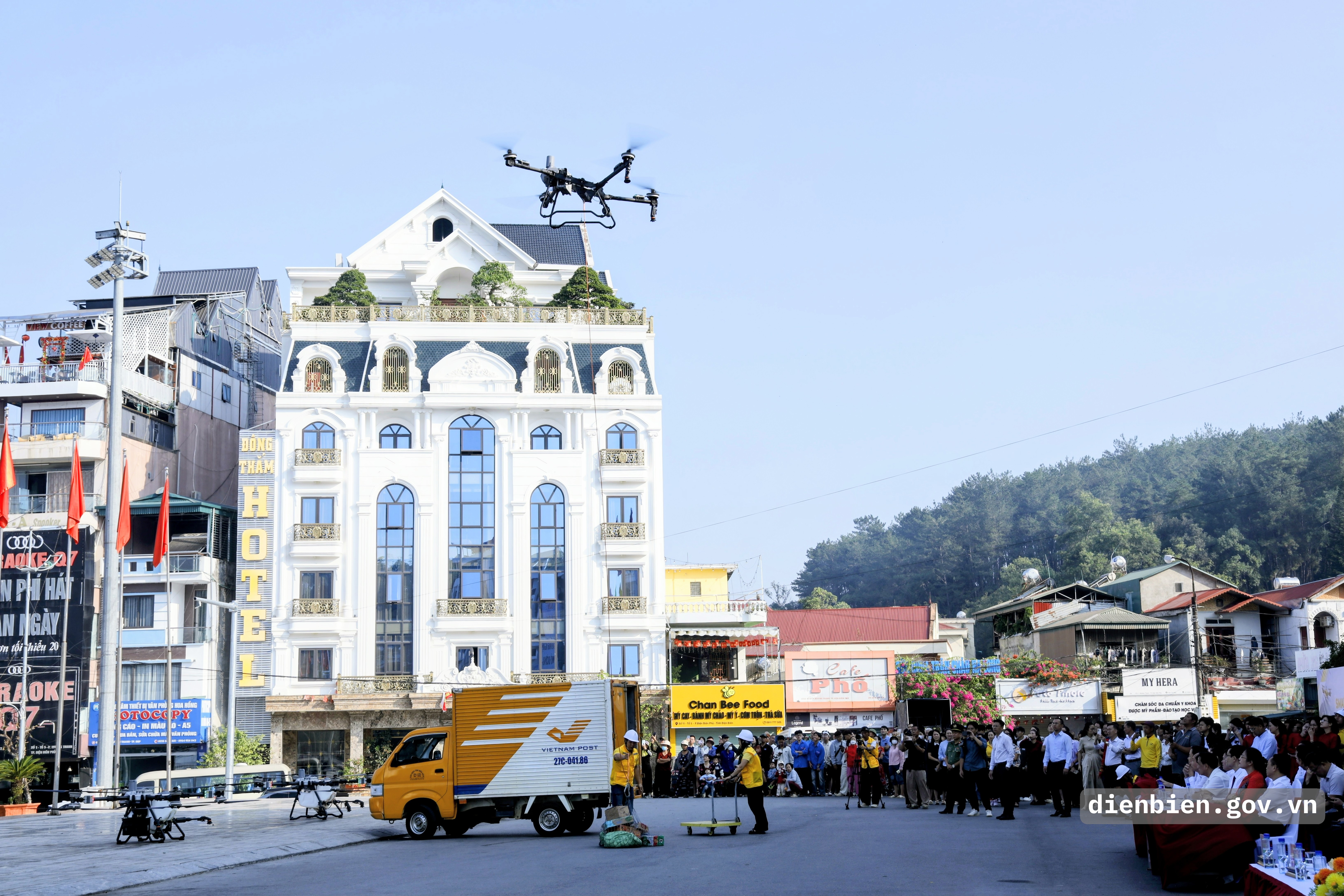
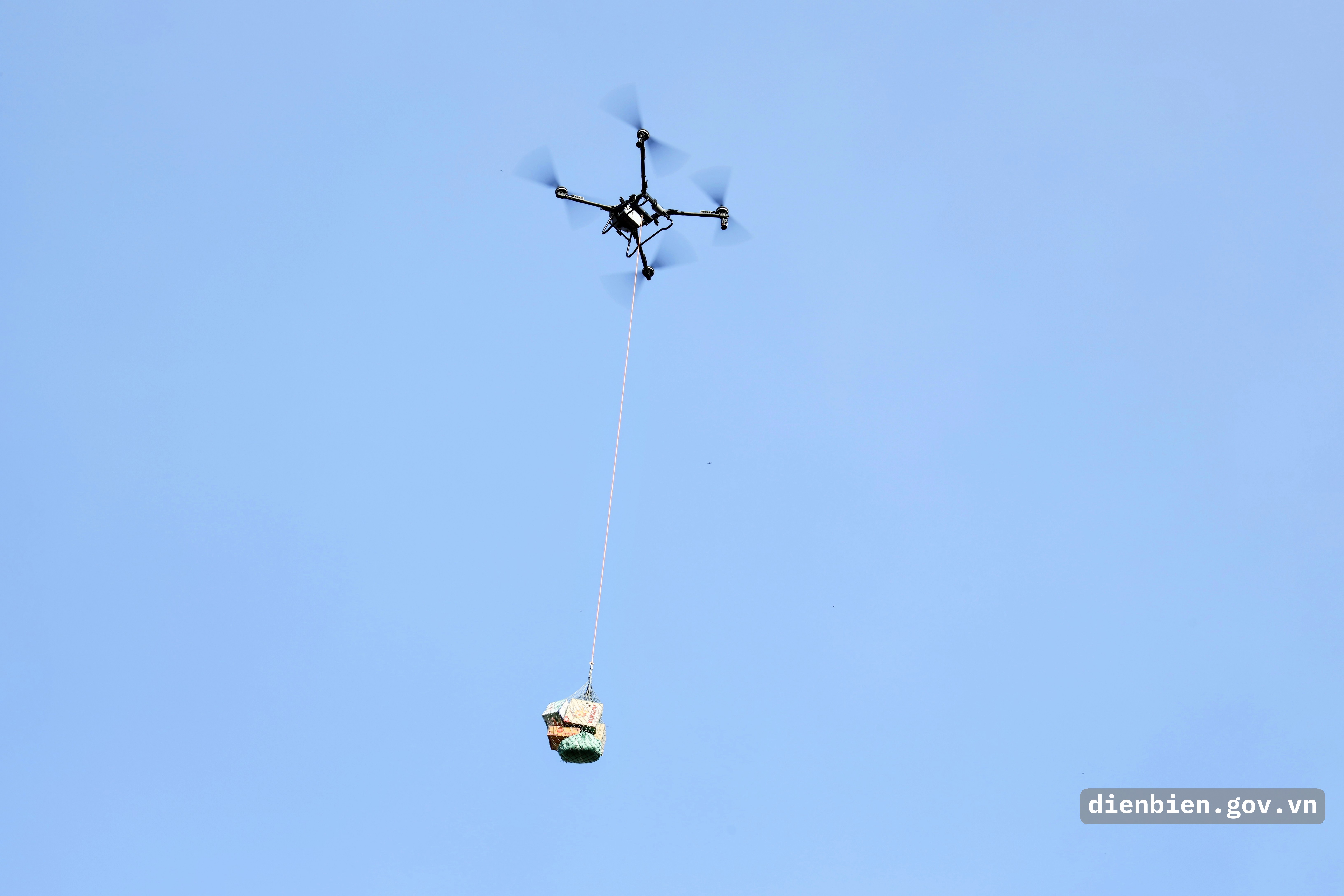
Vietnam Post Corporation prepares for a cargo UAV demonstration.
Earlier, delegates watched live UAV technology demonstrations at May 7 Square, visited exhibition booths showcasing technological products and solutions, and experienced virtual reality (VR) flight simulator demonstrations.
These activities helped strengthen connections among government agencies, experts and businesses, opening up opportunities for research, cooperation and technology applications suited to the province's practical conditions./.