Dien Bien Advances Sustainable Agriculture Through Green Transition
Dien Bien Province is stepping up efforts to build a greener and more sustainable agricultural sector by strengthening value chains, promoting innovation and expanding cooperation among government agencies, businesses, cooperatives and farmers.
The message was highlighted at the Forum on Sustainable Agricultural Development Associated with Green Transition and Enhancing the Value Chain of Dien Bien's Key Agricultural Products, held on July 18 at Hoa Ban Hall of the Provincial Investment, Trade and Tourism Promotion Center.
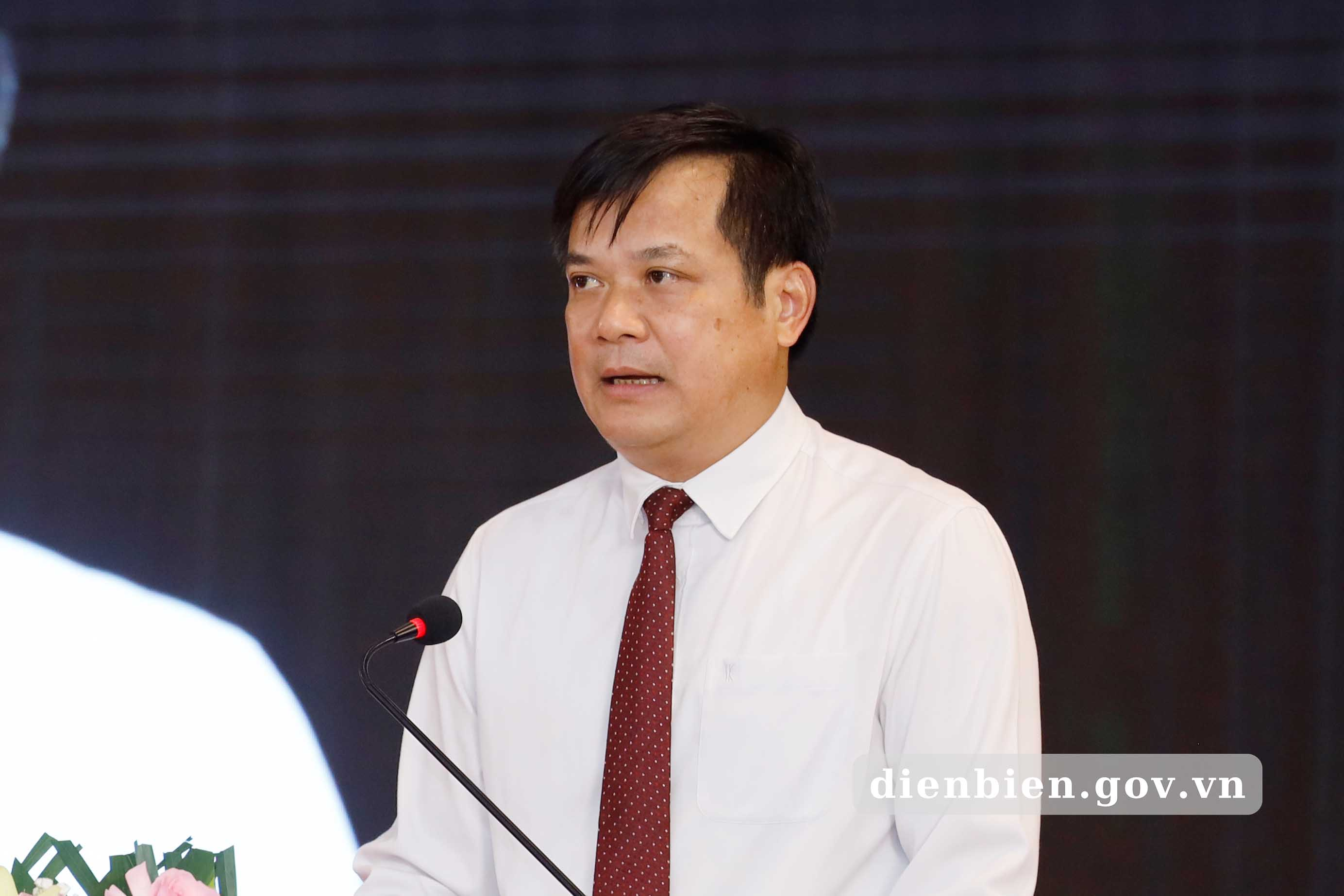
The event was attended by Comrade Lo Van Cuong, Member of the Standing Board of the Provincial Party Committee and Permanent Vice Chairman of the Provincial People's Committee, and jointly organized by the Agriculture and Environment Newspaper, the Dien Bien Department of Agriculture and Environment, and the Vietnam Gardening Association.

Building a Modern and Sustainable Agricultural Economy
According to the Department of Agriculture and Environment, Dien Bien maintained stable growth in crop production throughout 2025, with several key commodities recording encouraging results.
Vegetable cultivation expanded to approximately 5,156 hectares, producing more than 95,000 tonnes. Coffee plantations covered over 8,120 hectares, while macadamia reached more than 12,360 hectares, gradually becoming one of the province's high-value agricultural industries.
Fruit-growing areas totaled around 4,160 hectares, yielding approximately 26,720 tonnes. Pineapple remained the province's leading fruit crop with more than 1,080 hectares under cultivation and an annual output of around 9,000 tonnes, while passion fruit continued to expand in suitable production areas.
In 2026, the province aims to increase vegetable cultivation to 6,500 hectares, raising production to more than 113,000 tonnes. It also plans to expand coffee plantations to over 13,130 hectares, macadamia to nearly 14,900 hectares, and fruit-growing areas to 5,000 hectares, with continued investment in specialized pineapple and passion fruit production linked to higher quality standards, greater added value and stronger value-chain integration.
Leveraging Natural Advantages for Green Growth
In his opening remarks, Comrade Lo Van Cuong emphasized that Dien Bien possesses significant advantages in land resources, fertile soils, climate, ecological assets and ethnic cultural diversity, providing a solid foundation for developing commercial, green and organic agriculture.
With a natural area exceeding 954,000 hectares, of which approximately 93 percent consists of agricultural and forestry land, the province offers excellent conditions for developing concentrated production areas closely linked to processing industries and market distribution.
He noted that many specialized production zones have already taken shape. Dien Bien currently has more than 10,000 hectares of high-quality rice, over 10,800 hectares of coffee, 12,400 hectares of macadamia and nearly 5,000 hectares of fruit crops.

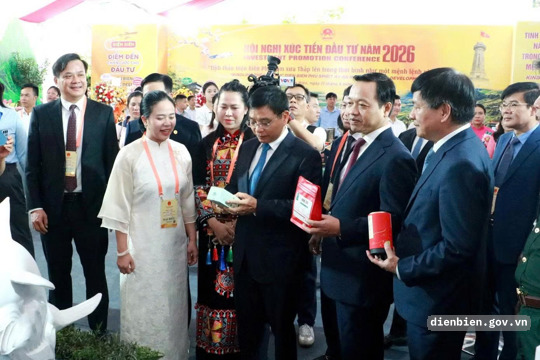
The province has also made significant progress in agricultural branding, with two geographical indications and nine protected collective or certification trademarks. Investment promotion has likewise gained momentum. At the 2026 Investment Promotion Conference, Dien Bien signed memoranda of understanding with eight investors and enterprises to study and develop concentrated production areas, commercial livestock farms and agricultural processing projects.
Experts Recommend Circular Agriculture and Value Chain Integration
At the forum, Dr. Le Van Duc from the Vietnam Gardening Association emphasized that developing circular garden-based agriculture in northern midland and mountainous areas requires integrated solutions that maximize resource efficiency, reduce emissions and improve production value.

He highlighted the importance of promoting circular VAC (Garden - Pond - Livestock) production systems that integrate crops, livestock and aquaculture into sustainable agricultural ecosystems. He also recommended strengthening value-chain production, digital technologies, market connectivity and eco - tourism to create greater economic value.
Meanwhile, MSc. Dinh Thi Tieu Oanh of the Western Highlands Agro - Forestry Scientific and Technical Institute (WASI) noted that Northwest Vietnam has excellent conditions for growing Arabica coffee but stressed the need to replace older varieties with high - yield, high - quality and climate-resilient cultivars.

She also called for synchronized improvements in seedling production, cultivation practices, water-saving irrigation, climate adaptation and traceability systems that comply with international deforestation-free requirements. Better irrigation and fertilizer management, she said, would improve flowering and fruit ripening while reducing harvesting costs.
In addition, she proposed establishing collection, preliminary processing and processing centers in production areas to reduce post - harvest bottlenecks and strengthen the competitiveness of Northwest Vietnam's Arabica coffee industry.
Enhancing Value Through Post - Harvest Technology
According to Associate Professor Pham Anh Tuan, former Director of the Institute of Agricultural Engineering and Post - Harvest Technology, investment in post - harvest technologies is essential to increasing the value of Dien Bien's agricultural products.
He recommended advanced drying, silo storage and premium rice processing technologies for rice; specialty processing, roasting, controlled fermentation and extraction technologies for coffee and tea; cold-chain logistics, modified atmosphere packaging (MAP), individual quick freezing (IQF), freeze-drying and cold drying technologies for fruit; and modern cold-chain systems and processing technologies for vegetables.
For medicinal plants and macadamia, he suggested expanding low-temperature drying, extraction, essential oil production, oil pressing and functional food processing technologies.

During the panel discussion, participants exchanged views on strategies for developing Dien Bien's key agricultural products, promoting green transition and the circular economy, strengthening value chains for coffee, macadamia and fruit and vegetable products, and fostering closer cooperation among government agencies, scientists, businesses, cooperatives and farmers.
The forum provided practical recommendations for expanding sustainable production areas, improving crop varieties, accelerating technology adoption, promoting deep processing and strengthening value-chain partnerships.
These discussions are expected to support Dien Bien in maximizing its agricultural potential, attracting greater investment, expanding domestic and international markets, and further establishing Northwest Vietnam's agricultural products as competitive, high-value brands./.