Dien Bien 2026: Building momentum for tourism development after the 15th Provincial Party Congress
The year 2026 marks the second year of implementing the Resolution of the 15th Provincial Party Congress and has been identified by Dien Bien as a critical starting point in turning tourism into a spearhead economic sector. This is intended to create momentum toward the goal of building Dien Bien into a green, smart and sustainable province, and a regional tourism center by 2030.
Dien Bien advocates developing high-quality tourism and services on the basis of unique historical, cultural and natural values.
From a regional tourism vision to concrete targets
The Resolution of the 15th Provincial Party Congress inherits and upgrades previous orientations of the Provincial Party Committee on tourism development, particularly the consistent view that tourism is a spearhead economic sector and a key driver of economic restructuring. On that basis, the Congress not only reaffirmed Dien Bien’s tourism positioning associated with the historic value of the Dien Bien Phu Victory, natural landscapes and the unique cultural identities of ethnic groups, but also quantified a system of targets with a clear vision toward 2030.
Dien Bien aims to develop high-quality tourism and services based on outstanding historical, cultural and natural values. In the projected economic structure to 2030, the service sector is expected to account for nearly 60% of GRDP, with tourism playing a driving role that spreads to trade, services, agriculture, traditional handicrafts and border-gate economy. Targets related to visitor numbers, length of stay, tourism revenue and contribution to GRDP, including the goal of tourism accounting for over 10% of GRDP by 2030, reflect strong political determination to elevate tourism from a supporting sector to a core pillar of the provincial economy.
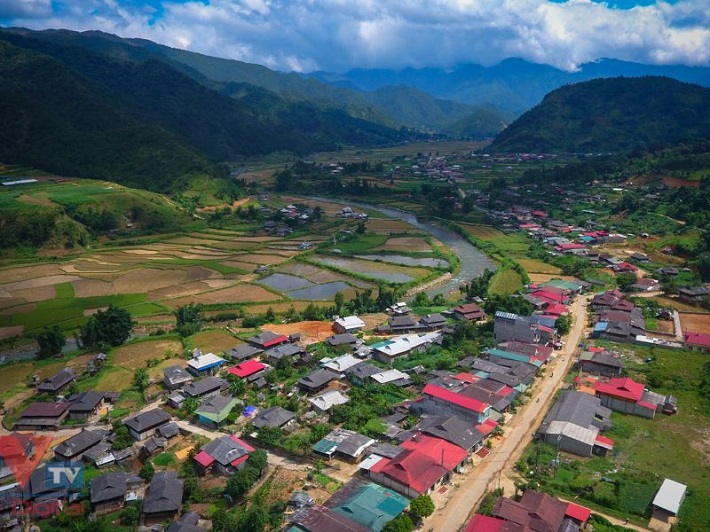
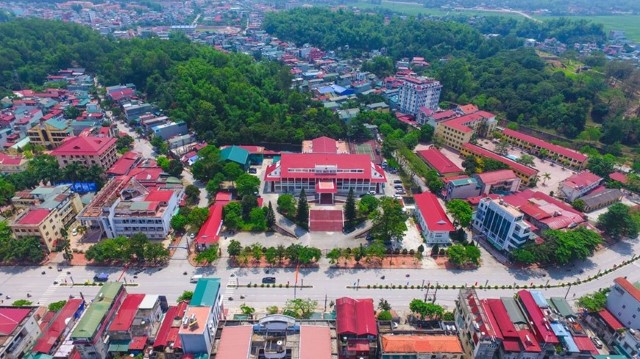
Muong Lay is oriented to develop in the direction of “green – smart – associated with historical and cultural tourism space.
Notably, the Resolution places tourism in one of the three strategic breakthroughs of the 2025–2030 term: developing high-quality tourism and services based on distinctive historical, cultural and natural values. This represents not merely a sectoral objective, but a strategic choice to restructure the local economy toward a green, smart and sustainable development model.
Completing infrastructure, expanding space and tourism products
To achieve the targets for the 2026–2030 period, 2026 is identified as a pivotal year to accelerate the implementation of infrastructure projects, urban development and tourism services. Breakthroughs in socio-economic infrastructure, particularly transport and urban infrastructure, are defined as one of the three strategic breakthroughs of the term.
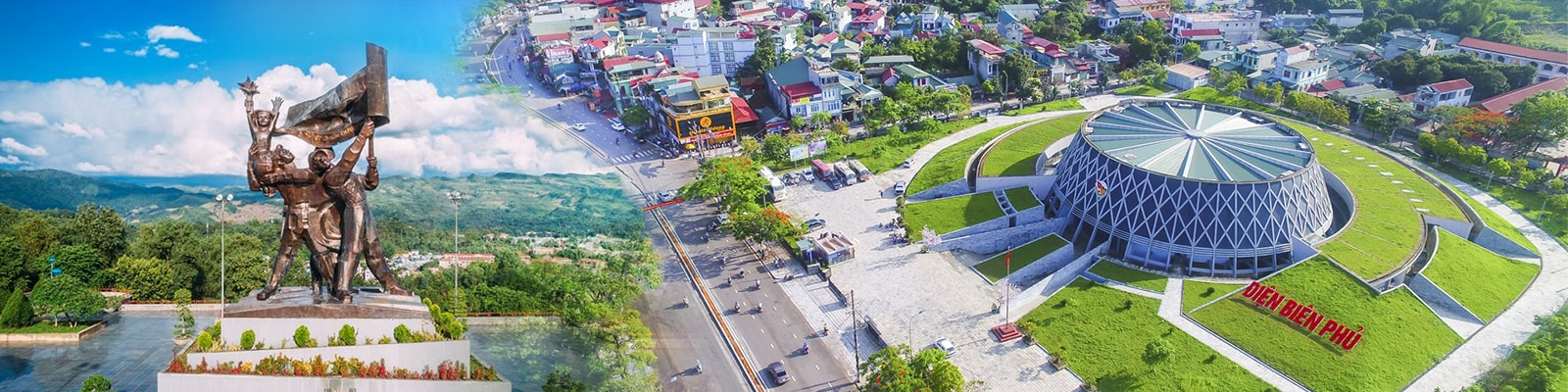
For tourism, this is reflected in continued efforts to complete connectivity from Dien Bien Phu City to key tourism destinations such as the Dien Bien Phu battlefield relic complex, Pa Khoang Lake, Muong Thanh Field, cultural villages of Thai, Mong and Kho Mu ethnic communities, eco-tourism sites and reservoir tourism areas. The urban system of Dien Bien Phu, Muong Lay and district towns is oriented toward green and smart development linked with historical and cultural tourism spaces, forming service hubs for receiving and distributing visitors.
In 2026, the province is also expected to intensify investment attraction into key tourism areas, hotel and resort complexes, entertainment and shopping services, thereby diversifying products and experiences beyond the traditional historical tourism route. Agricultural tourism and community-based tourism associated with OCOP products and local specialties such as Dien Bien rice, coffee and macadamia nuts are encouraged, aiming to extend value chains and increase average tourist spending.
While large-scale events in the 2020–2024 period helped enhance Dien Bien’s visibility, the post-2026 requirement is to maintain regular, professional events linked to concrete tourism products and structured market promotion. This approach will enable Dien Bien to become a year-round destination rather than attracting attention only during major commemorative occasions.
Smart tourism and regional linkages – keys to extending length of stay
The Resolution emphasizes the transition toward a green and digital economy, modern infrastructure and digital governance. In tourism, this orientation is reflected in the development of a smart tourism ecosystem, applying technology to destination management, promotion and visitor services.
The year 2026 should be regarded as an acceleration phase for Dien Bien’s tourism digital platforms, including digitalized tourism resource databases, digital maps of routes and destinations, multilingual applications introducing the Dien Bien Phu campaign, festivals and ethnic cultures, as well as integrated online booking systems. The objective is not merely digital presence, but the use of data analytics to better understand markets and design products for specific visitor segments, thereby extending the average length of stay to three days or more as targeted by the Resolution.
At the same time, regional linkages remain a strategic key. Dien Bien continues to expand cooperation with domestic and international partners, particularly Northwestern provinces, Ha Noi, Ho Chi Minh City, Da Nang, Quang Ninh, and localities in Laos, China, Thailand, the Republic of Korea and Japan. As a border-gateway locality, Dien Bien has favorable conditions to develop transnational tourism routes combining historical tourism with cultural, ecological and shopping experiences, contributing to increased international and long-stay domestic visitors.
Human resource development, community participation and the role of the trade and industry sector
The Resolution sets the target of raising the trained labor rate to over 70% by 2030, with more than 55% holding degrees or certificates, emphasizing human resource development for spearhead economic sectors, including tourism. Accordingly, 2026 should be considered a year for tightening service quality standards, aligning training and capacity building with the practical needs of businesses and tourism communities.
Despite strong advantages in ethnic cultural identity, the absence of well-trained guides, interpreters, hospitality workers and tourism service providers with sufficient historical knowledge and foreign language skills remains a constraint. Vocational training, capacity-building programs for community-based tourism and models linking each village with a distinctive product and service should be expanded from 2026, with active participation from enterprises and vocational education institutions.
Within this overall framework, the trade and industry sector plays a crucial role in completing the tourism value chain. Markets, commercial centers, retail systems, logistics and border trade, if properly planned and modernized, can function not only as public service infrastructure but also as effective platforms to showcase local specialties, becoming important touchpoints in the tourist experience.
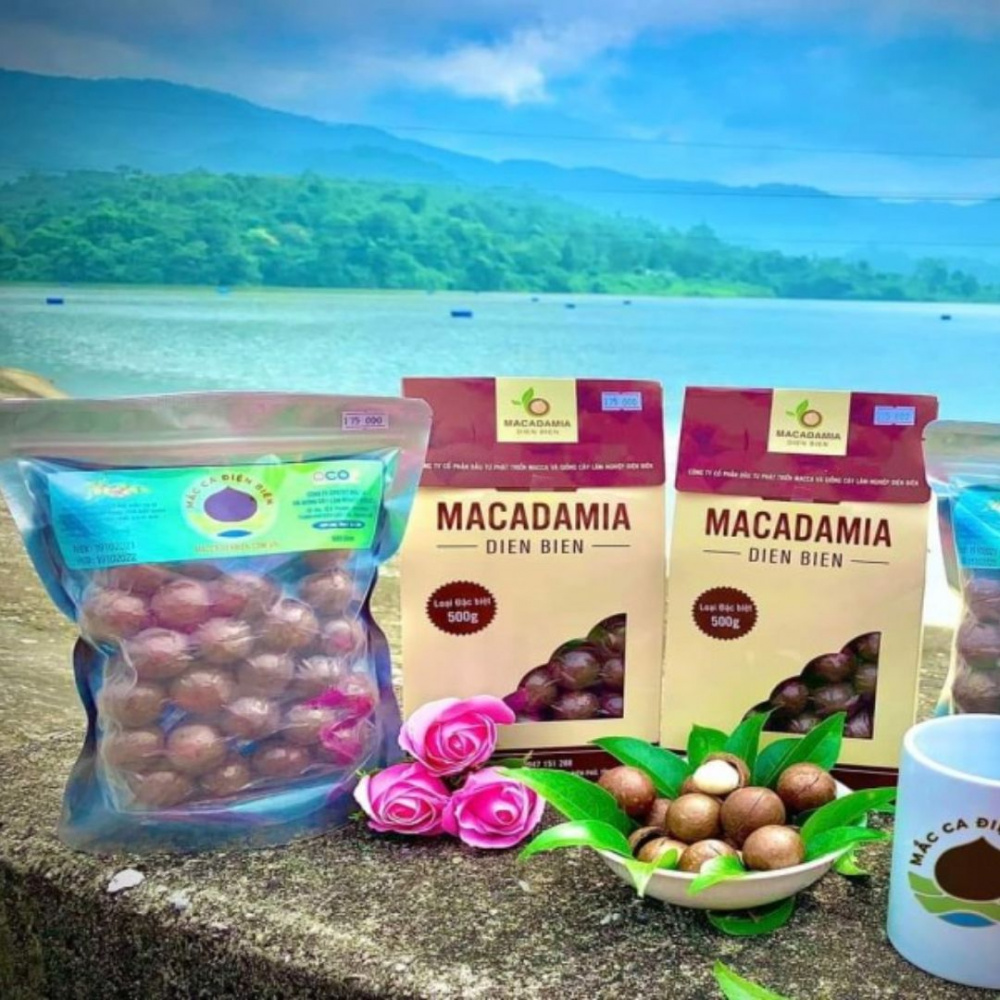
Dien Bien associates tourism development with OCOP, craft villages and key agricultural products such as Dien Bien rice, coffee, macadamia, tea, and medicinal herbs.
Linking tourism with the OCOP program, craft villages and key agricultural products such as Dien Bien rice, coffee, macadamia, tea and medicinal herbs will add value to local production and create sustainable livelihoods, particularly for ethnic minority communities in remote and border areas. This approach concretely realizes the dual objectives of developing tourism as a spearhead sector and achieving sustainable poverty reduction.
For Dien Bien, 2026 is not merely another year in the development cycle, but a critical momentum-building year for translating the Resolution of the 15th Provincial Party Congress into tangible outcomes across planning, infrastructure, products, human resources and policy mechanisms. With strategic infrastructure projects, post-anniversary tourism demand and shifting trends toward green, safe and culturally rich destinations, Dien Bien has sufficient grounds to turn its 2030 tourism targets into concrete, achievable results./.
Source: Trade and Industry Magazine