Groundbreaking of strategic expressway: The Northwest prepares to enter a new development corridor
Amid the historic atmosphere of May, as the whole country commemorates the 136th anniversary of President Ho Chi Minh’s birth, the groundbreaking ceremony for Component Project 1: Compensation, Support, Resettlement, and Site Clearance for the Son La – Dien Bien – Tay Trang Border Gate Expressway (Phase 1), scheduled for May 20, 2026, is more than just an infrastructure investment event. It is considered a milestone marking the beginning of a new development journey, where the aspiration for breakthrough growth in Dien Bien and the entire Northwest region starts to be realized through strategic infrastructure projects.
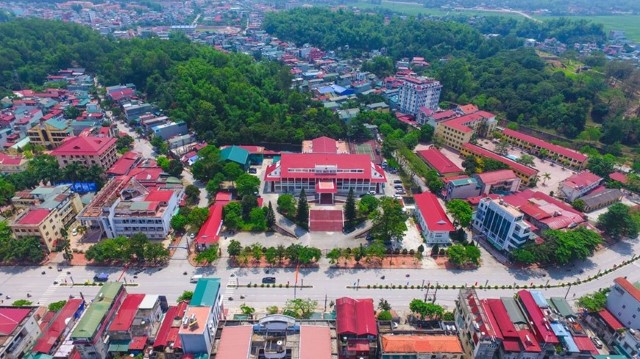
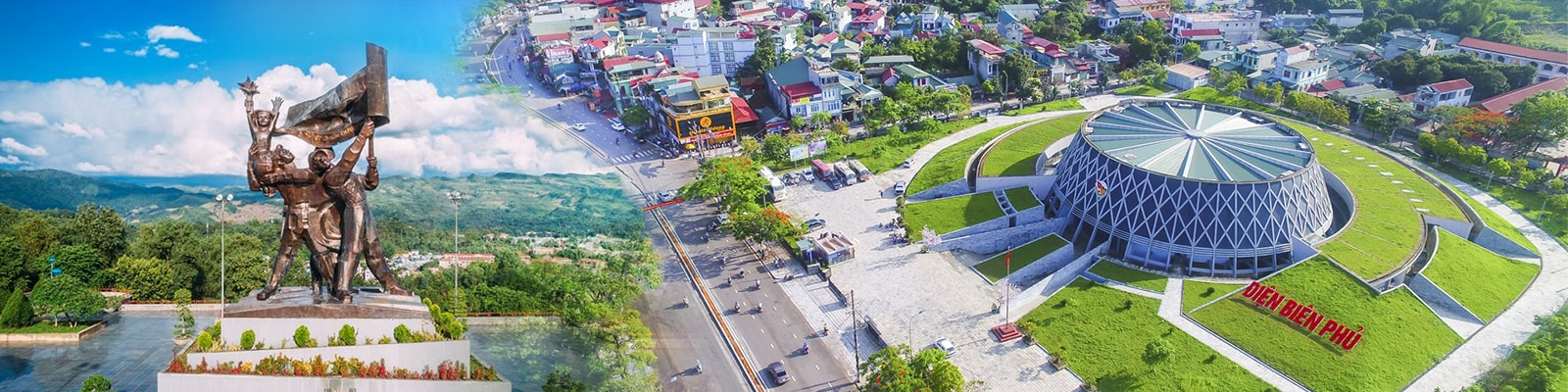
For many years, Dien Bien – the land associated with the historic “resounding victory that shook the world” – has faced a persistent reality: transportation infrastructure remains limited, regional connectivity is not yet fully synchronized, transportation costs are high, travel time is lengthy, and the exploitation of advantages in tourism, border trade, and logistics has not matched the province’s potential. This has long been regarded as the biggest bottleneck hindering the development of Dien Bien and the Northwestern region.
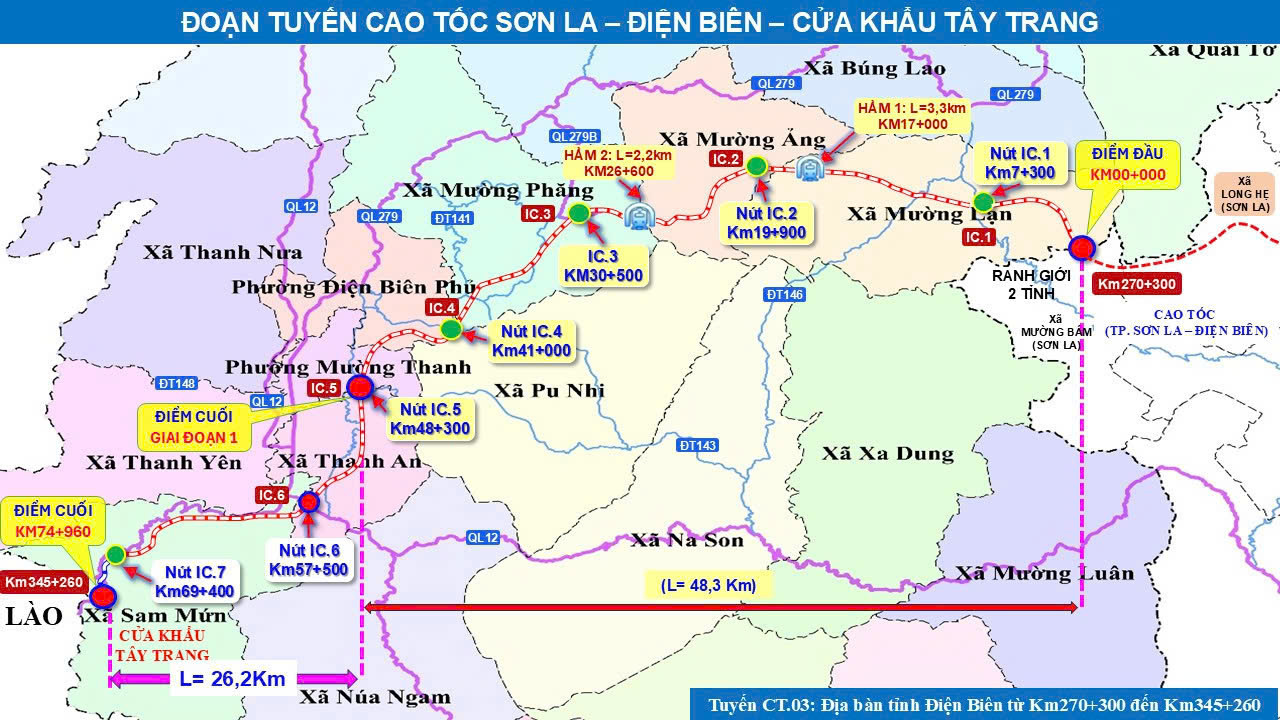
Therefore, the Son La – Dien Bien – Tay Trang Border Gate Expressway project is expected to provide a solution to the long-standing connectivity challenge. According to the report of the Dien Bien Provincial Transport Construction Project Management Board, the expressway will be approximately 48.3 kilometers long, with its starting point at the border between Son La and Dien Bien provinces and its endpoint connecting to Muong Thanh Ward, Dien Bien Province. The route is designed to expressway standards with four complete lanes, a design speed of 80 km/h, and a total investment of around VND 23.252 trillion, making it the largest infrastructure project ever implemented in Dien Bien Province.
The expressway is not merely intended to shorten travel time. More importantly, it is a strategic project within the regional development framework, creating a high-speed transportation corridor connecting Hanoi – Hoa Binh – Son La – Dien Bien, while also opening broader trade opportunities through Tay Trang International Border Gate toward Northern Laos, Thailand, Yunnan Province of China, and the wider ASEAN region.
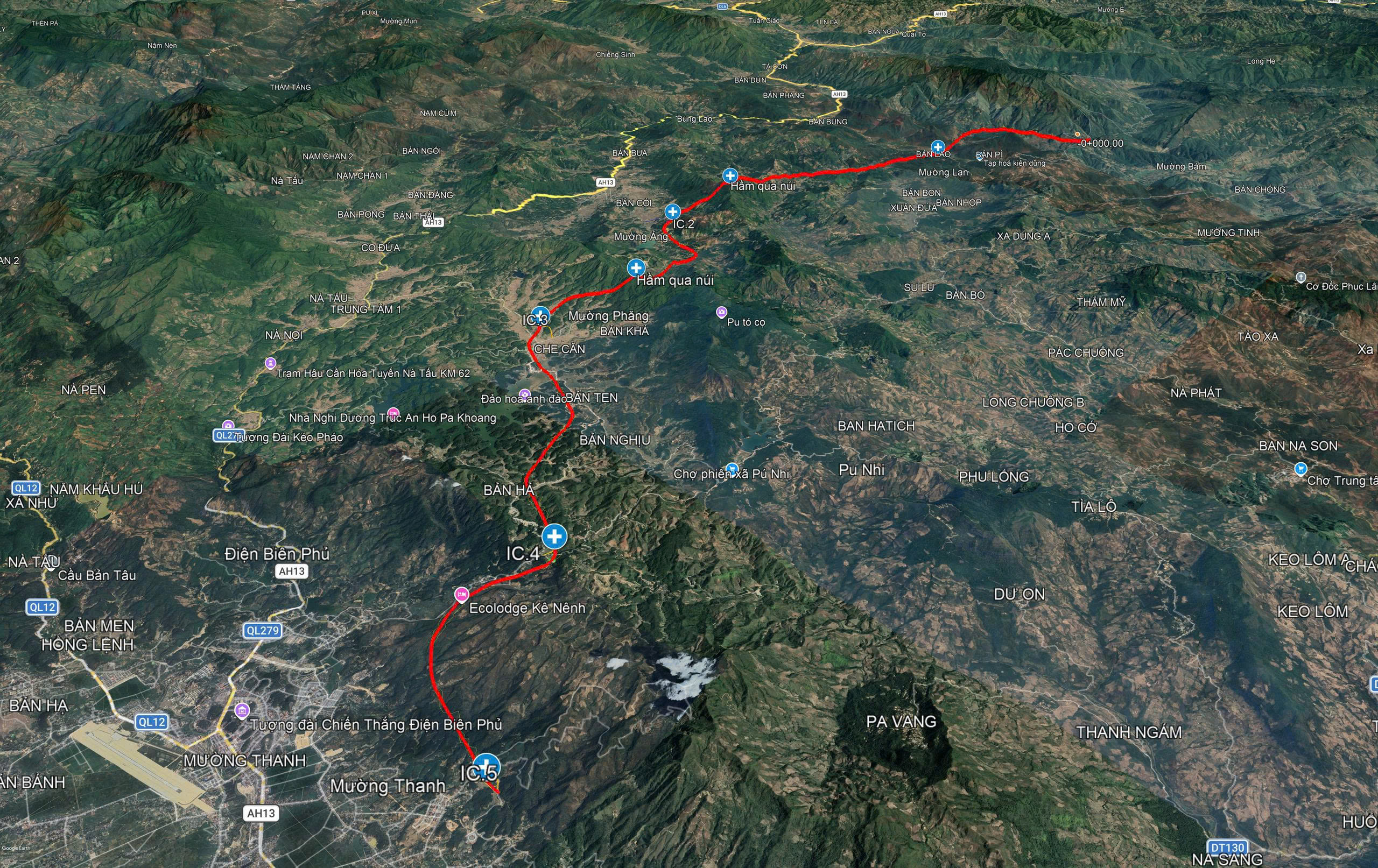
The rugged geography of the Northwest has long placed the region at a disadvantage in terms of goods circulation, logistics costs, and market accessibility. Many businesses and investors have considered the Northwest a region full of opportunities, yet infrastructure limitations have remained a major obstacle to investment flows. Once completed, the expressway is expected to reduce pressure on National Highways 6 and 279 while significantly overcoming difficulties posed by steep mountain passes such as Pha Din, which are frequently affected by fog, landslides, and traffic congestion during the rainy season. Improved connectivity will also help agricultural production areas in Dien Bien, which have long struggled with transportation and product preservation due to long distances, gain faster and more stable market access. Signature agricultural products, OCOP products, organic agriculture, and high-tech agricultural products, if properly invested in, will have better opportunities to participate in regional and national supply chains.
Beyond transportation, the expressway is also expected to create a synergistic effect with other strategic infrastructure projects. In particular, synchronization with the expansion and upgrading of Dien Bien Phu Airport could create a “dual impact” for the Northwest region: high-speed roads reducing ground travel time while upgraded aviation infrastructure enhances rapid connectivity with major economic centers. This would lay the foundation for Dien Bien to become not only a “historic destination” but also an increasingly competitive destination for investment, trade, logistics, and tourism in the region.
Additionally, the project is being implemented to concretize major national orientations, including the Road Network Development Plan for 2021–2030 with a vision toward 2050, and Politburo Resolution No. 11 on socio-economic development and national defense-security in the Northern Midlands and Mountainous Region. Dien Bien holds a particularly strategic position in national defense and security as the western frontier of Vietnam, while also serving as a gateway for external relations with Laos, China, and ASEAN countries. Therefore, the expressway is not only an internal demand of Dien Bien but also part of a broader national strategy aimed at balanced regional development, reducing disparities, and strengthening border regions.
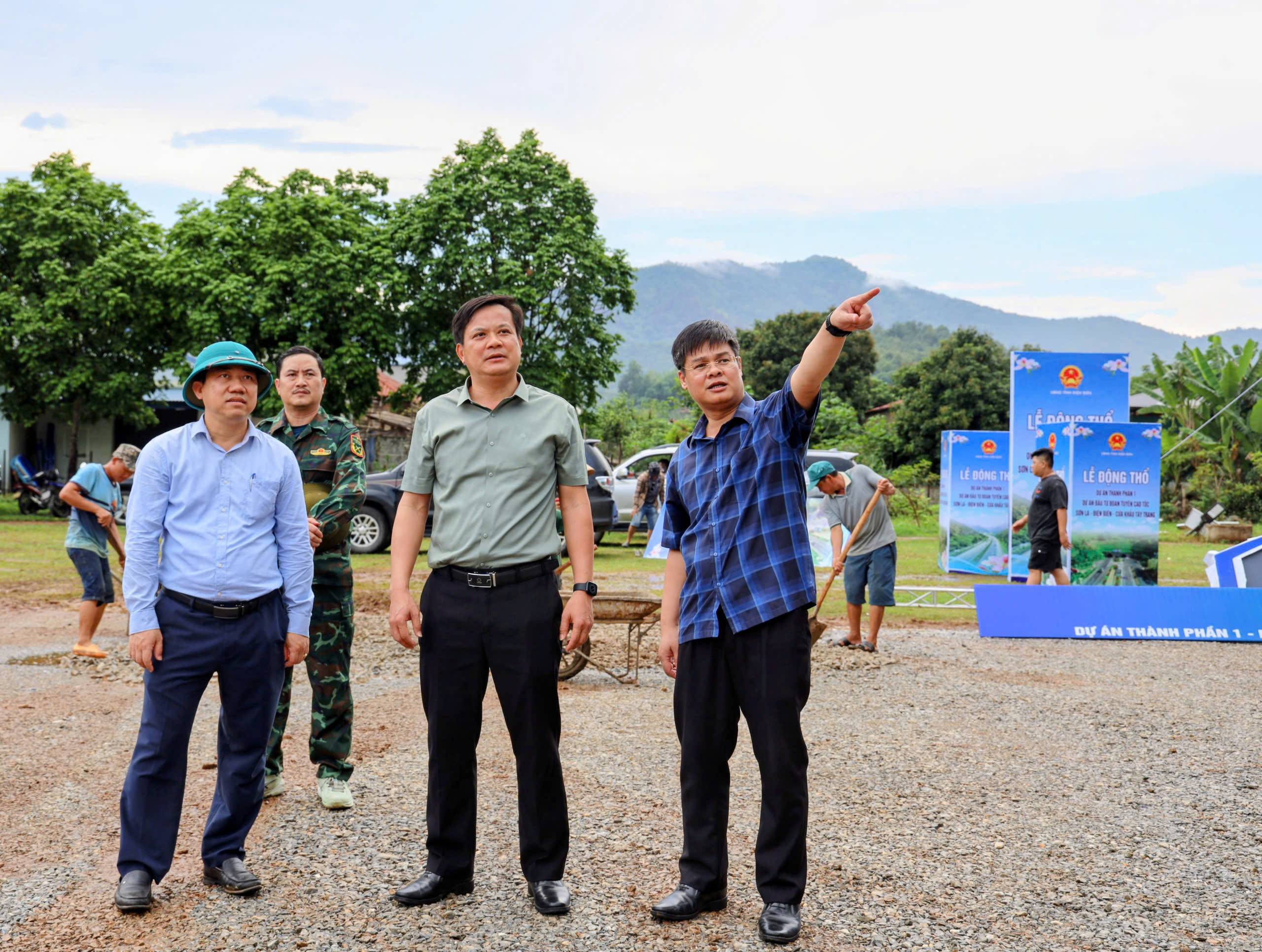
Any large-scale infrastructure project inevitably faces a critical challenge: ensuring progress and investment efficiency while maintaining public consensus and safeguarding the legitimate rights of local residents affected by the project. For the Son La – Dien Bien – Tay Trang Border Gate Expressway, this challenge is especially significant because the project involves an investment of over VND 23 trillion, affects hundreds of households, requires large-scale land acquisition, and touches upon social and cultural factors specific to ethnic minority communities.
In this context, Dien Bien Province’s decision to prioritize Component Project 1 on site clearance and resettlement before constructing the main route demonstrates not only a technical or administrative solution but also a people-centered development approach. The province has repeatedly emphasized a consistent political message: development must harmonize the interests of the State, businesses, and the people; residents who give up land for national key projects must be guaranteed new living conditions that are equal to or better than their previous ones.
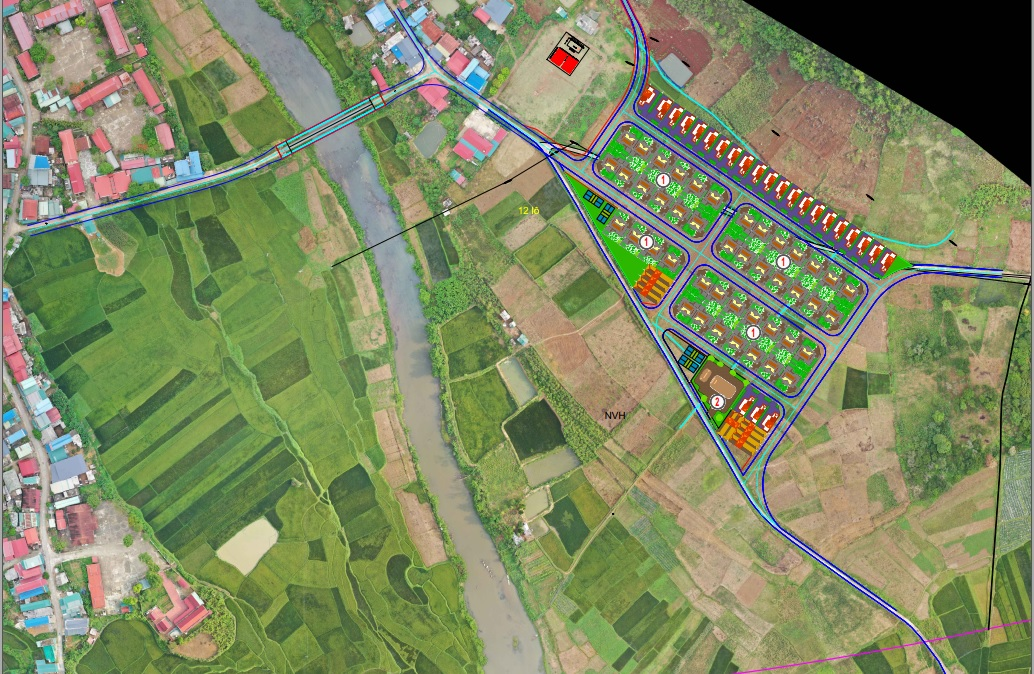
Component Project 1 has a total investment of approximately VND 1.424 trillion and will be implemented during 2026–2028. It focuses on compensation, support, resettlement, and site clearance over a total land acquisition area of about 766.29 hectares. Of this, more than 576 hectares are allocated for the main route, while the remainder is reserved for disposal sites and auxiliary works. The project will also relocate and resettle 276 households at six planned resettlement sites, while addressing affected infrastructure works, power poles, and spiritual and religious sites within the project area.
In practice, many infrastructure projects nationwide have experienced delays due to difficulties in land clearance, disputes, or lack of public consensus. Therefore, Dien Bien Province requires compensation and support activities to be carried out transparently, in accordance with legal regulations, preventing losses, corruption, and ensuring the maximum protection of citizens’ lawful rights and interests. Local authorities, the Fatherland Front, and socio-political organizations have been assigned to closely monitor communities, listen to residents’ concerns, explain policies, resolve difficulties, and support people in stabilizing their lives at new resettlement areas.
Thus, “resettlement going one step ahead” is not only a priority for project progress but also a humane approach aimed at minimizing social disruption during the development process.
The groundbreaking ceremony for the Son La – Dien Bien – Tay Trang Border Gate Expressway on May 20, 2026, therefore marks not only the beginning of a transportation project but also the beginning of a development aspiration — where a road of connectivity is gradually becoming a road of ambition, bringing Dien Bien and the Northwest closer to the goal of rapid, sustainable, and integrated development while preserving cultural identity, sovereignty, and stability along Vietnam’s western frontier./.